
The Ultimate Service Guide to Septic System Health
A well-maintained septic system is essential to protecting your home, health, and the surrounding environment. Although these systems work quietly underground, neglect or improper care can lead to costly repairs and serious disruptions. This guide provides a clear, practical overview of septic system health, covering how systems function, why routine service matters, and what homeowners should know to avoid common problems. By understanding proper septic system management, you can ensure reliable performance and extend the life of your system for years to come.
Understand How a Septic System Works
The septic system is an underground wastewater treatment structure often used in rural areas without centralized sewer systems. It uses a combination of nature and proven technology to treat wastewater from household plumbing produced by bathrooms, kitchen drains, and laundry. A typical septic system consists of a septic tank and a drain field, or soil absorption field. Wastewater from your house flows into the septic tank, where the effluent is partially decomposed by bacteria before dispersing into the soil. The problem arises when these systems go unnoticed until there is an obvious sign of failure.
Understanding the basic functioning of a septic system is key to its proper maintenance. The septic tank that forms the core of this system works as a settling stage, where heavy particles settle to the bottom forming sludge, and grease floats to the top as scum. The liquid in between, known as effluent, exits the tank into the drain field. Here, further biological decomposition occurs, ensuring the waste is effectively treated before it reaches groundwater. Failure to understand these functions can lead to neglect, ultimately culminating in costly repairs.
The efficiency of a septic system heavily relies on regular maintenance and timely septic system service. Homeowners must be aware of their system's age, construction details, and past maintenance history to gauge the type of service required. According to the United States Environmental Protection Agency, septic maintenance includes inspecting the system as a whole every one to three years and pumping the tank at least every three to five years. Such scheduled upkeep prevents malfunctions and prolongs the lifespan of the system. Regular inspections and pump-outs are essential tasks for maintaining the optimal function of a septic system.
Identify the Core Components of a Septic System
A septic system is a small-scale, decentralized wastewater treatment system designed to treat and dispose of household wastewater. Understanding its components and operations is crucial for maintaining its health. At its core, a septic system consists of two main components: the septic tank and the drain field. The septic tank is a watertight box, usually made of concrete or plastic, that digests organic matter and separates floating matter (e.g., oils and grease) and solids from the wastewater. Awareness of these components helps homeowners realize the importance of timely septic system service.
Effective septic system management begins with understanding how different household activities impact the system. Every time water runs down your drains, it flows into the septic system. Organic materials are decomposed in the tank, and the treated effluent then seeps into the environment through the drain field. Overloading the system with excessive water can disrupt this balance and lead to system failure. Educating oneself on these basics can help prevent misuse and extend the system’s lifespan.
Examine the Septic Tank and Drain Field Structure
A key part of keeping a septic system healthy involves understanding its components. A septic system typically includes the main septic tank, the drain field, and the surrounding soil. Each plays a critical role in handling wastewater, with the tank acting as the first stop where solids settle and degrade, while the drain field filters the liquid waste. The bacterial action within the tank is integral to the treatment process, converting waste into gases and liquid effluent. Knowing these components is essential for proper septic system service.
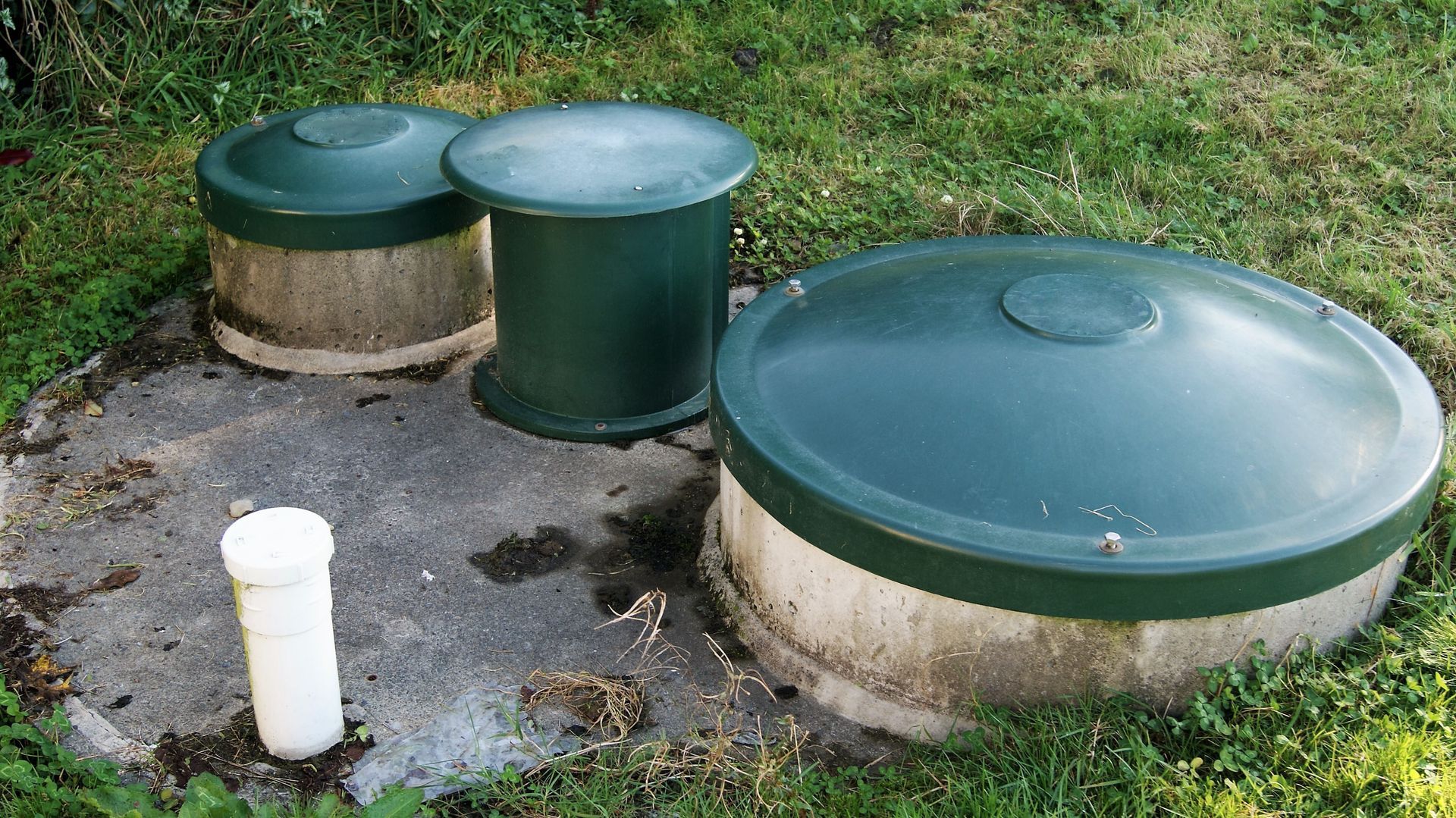
Septic tanks are usually buried, and they must meet specific regulations regarding construction materials and installation. Concrete and plastic are common materials used because of their durability and resistance to environmental pressures. Over time, tanks can become filled with solid waste, requiring periodic pumping to function correctly. Additionally, the inlet and outlet pipes can become clogged, necessitating routine inspections to identify issues early. Addressing these aspects through professional service can save you from costly repairs and environmental risks.
Follow the Wastewater Treatment Process
The wastewater treatment process in a septic system begins as water exits your home and enters the septic tank. Within this tank, the wastewater undergoes a primary treatment phase where solids settle as sludge at the bottom, and grease forms a scum layer at the top. The remaining liquid in the middle constitutes the effluent, which flows out to the drain field. Here, the soil acts as a natural filter, further purifying the wastewater as bacteria in the soil digest any remaining contaminants. This multi-step, natural process underscores the importance of maintaining equilibrium through routine septic system service.
The role of bacteria in this process cannot be underestimated. Anaerobic bacteria dominate the septic tank, breaking down much of the waste. As the effluent moves to the drain field, aerobic bacteria in the soil play their role in further decomposition. This balance between aerobic and anaerobic bacteria is vital for the treatment to be effective. Disturbances in this balance, due to chemicals or an excess of water, can hinder the system and result in untreated wastewater reaching the environment, emphasizing the need for conscious system maintenance.
Recognize Early Signs of Septic System Failure
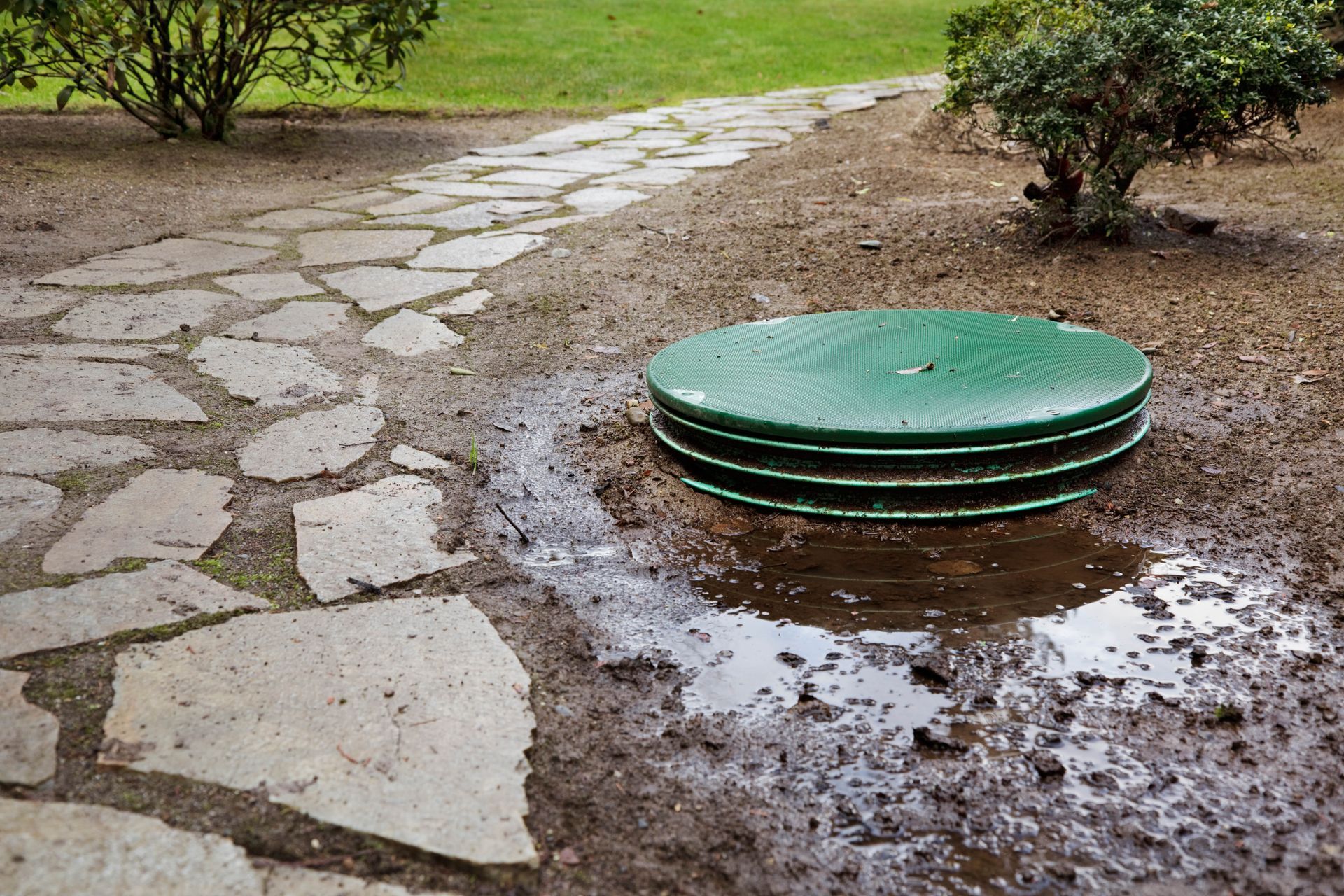
Recognizing the early warning signs of a failing septic system can save thousands of dollars in repairs and environmental damage. One of the primary indicators of a malfunction is slow-draining household fixtures, like sinks and toilets. This can signify either a blockage in the plumbing lines or problems within the septic tank or drain field. Other symptoms include persistent foul odors around the home or areas of standing water near the drain field, suggestive of improper effluent absorption. Identifying these signs early can prompt timely septic system service interventions.
Another tell-tale sign of a septic system failure is lush, unusually green grass over the drain field despite dry weather conditions. This can occur when untreated wastewater surfaces, providing nutrients for plant growth. The presence of insoluble soap scum in the home, or gurgling sounds from plumbing fixtures, further indicates distress within the system. These symptoms reveal that the tank may be full or the drain field is saturated and no longer able to absorb effluent efficiently. Observing these indicators can prompt immediate action to prevent more severe issues.
Schedule Routine Septic System Service and Maintenance
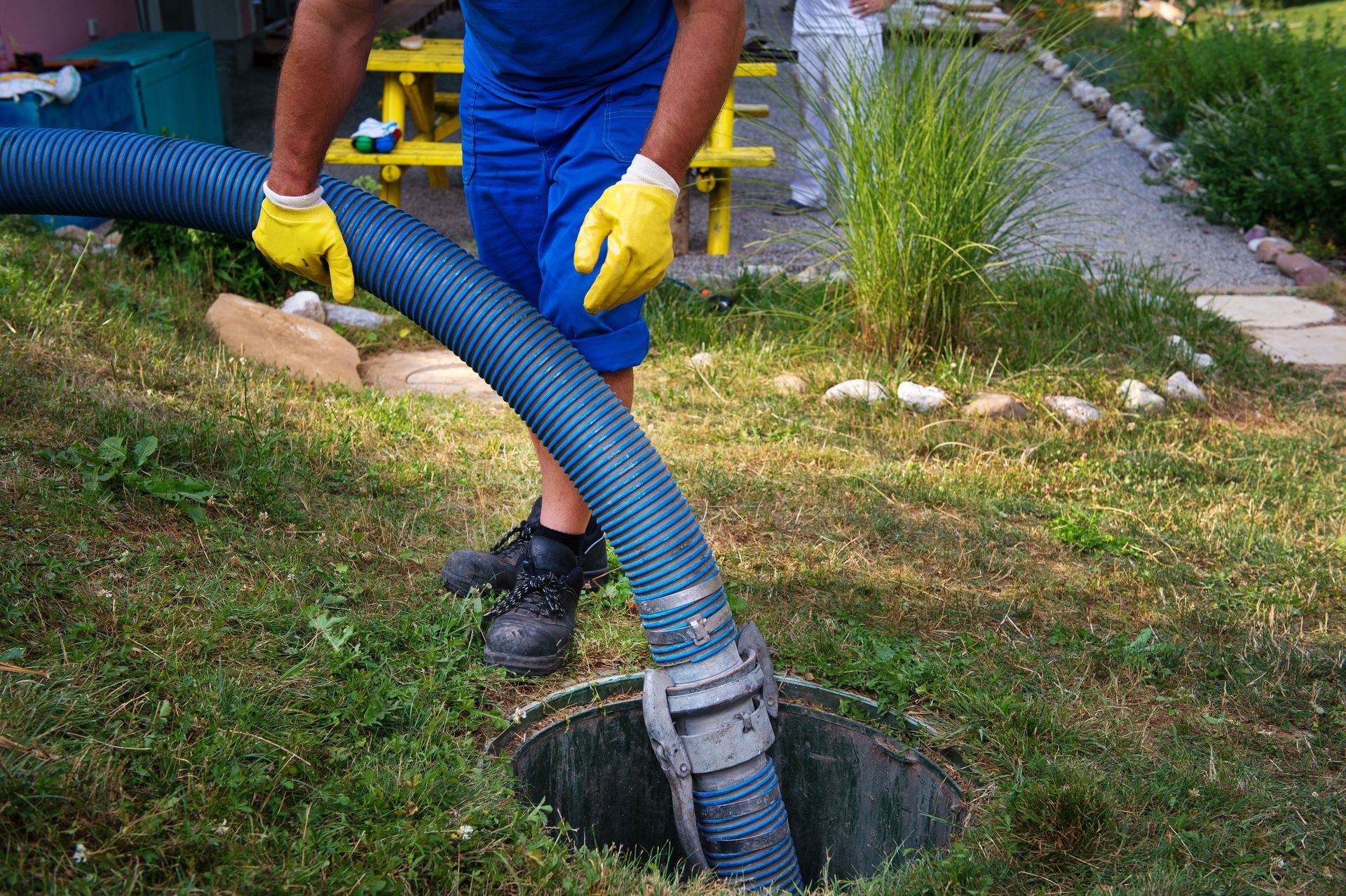
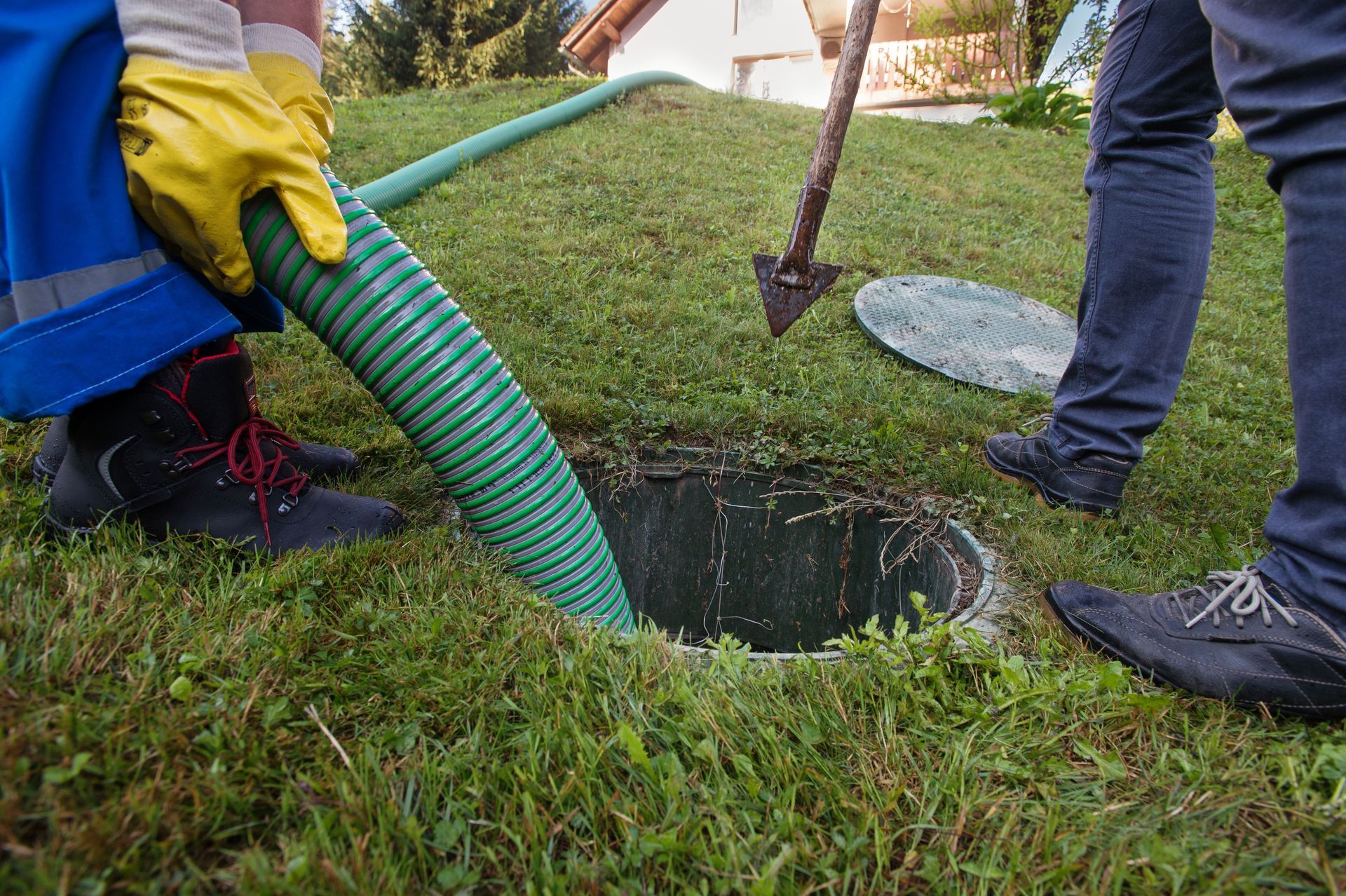
Routine septic system service is crucial not just for the longevity of the system but for environmental and public health safety. Regular service involves the inspection and necessary cleaning of the septic tank, which prevents the overflow of solids into the drain field. Routine checks help identify potential issues, such as cracks in the tank, failing pumps, or clogs in the distribution system.
Another vital aspect of routine septic system service is educating homeowners on best practices for usage and maintenance. Homeowners should be encouraged to avoid putting harsh chemicals, grease, or non-biodegradable items down the drains, as these can harm the natural bacterial functions in the tank. Moreover, mindful water usage prevents overwhelming the system with excess water, which can lead to overload and failure.
Keeping your septic system in good condition requires knowledge, routine service, and responsible household habits. From understanding how wastewater is treated to recognizing early warning signs of trouble, proactive care plays a critical role in preventing system failure. Scheduling regular inspections, practicing mindful water usage, and working with qualified professionals can significantly extend your system’s lifespan. By prioritizing septic system service and maintenance, homeowners not only protect their investment but also help safeguard public health and the environment. Reach out to Lloyd's Excavation and Septic Services to learn more today.
Share On: