
Factors to Consider When Installing a Septic System
Installing a septic system is a major investment that influences the long-term function, safety, and value of your property. Whether you are building a new home or upgrading an aging setup, understanding the factors that contribute to a successful septic system installation is critical. Every property has unique characteristics that determine what type of system is suitable, how it must be placed, and how much preparation is required. Homeowners who take the time to evaluate these elements can prevent issues such as drainfield failure, sewage backup, or costly repairs later. Because septic systems are designed to manage wastewater safely and sustainably, thoughtful planning ensures lasting performance and peace of mind.
Assessing Soil Conditions to Support Proper Filtration
The soil beneath your property plays one of the most important roles in a successful septic system installation. Soil acts as a natural filter, allowing treated wastewater to disperse safely into the ground. Before any work begins, a professional soil test is conducted to determine how quickly water drains and whether the ground composition is suitable for a drainfield. Sandy soil typically drains too quickly, while clay-heavy soil drains too slowly. Loam, which balances sand, silt, and clay, is often considered ideal for filtration.
If soil conditions are inadequate, system adjustments may be required. Some properties need raised beds or alternative systems designed to handle challenging soil conditions. These considerations influence the overall budget and timeline for septic system installation, but they also help homeowners avoid malfunctioning drainfields in the future. Understanding these conditions early allows homeowners to select a system that works with the natural environment rather than against it.
Evaluating Property Size and Layout to Determine System Placement
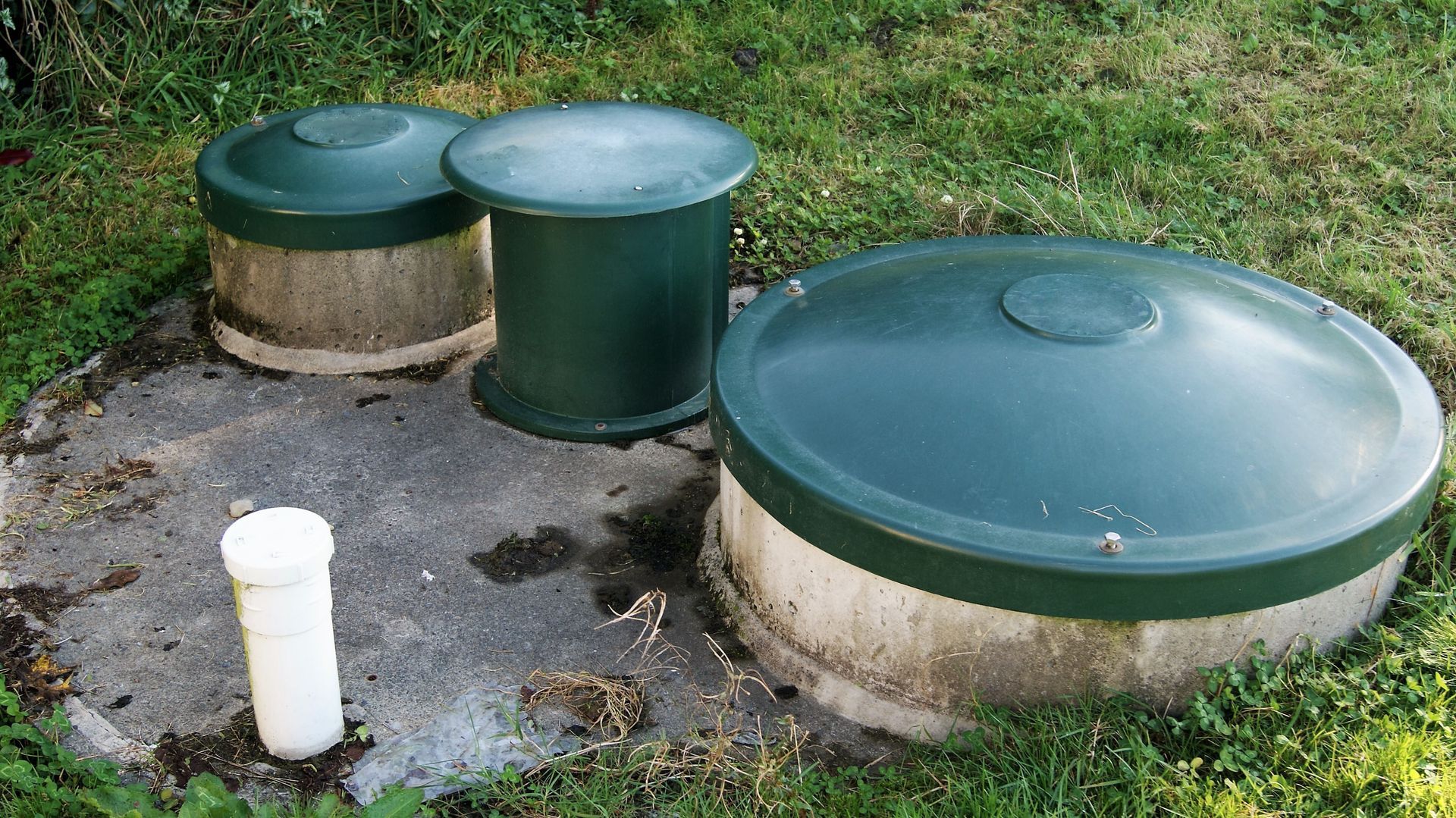
Every septic system requires adequate space for both the tank and the drainfield. The size and shape of your property will determine how your system must be positioned, how large the field can be, and whether any natural features could interfere with long-term operation. Septic tanks have standard sizes, and the drainfield must be large enough to handle the home’s daily water usage. According to Ace Septic and Waste, the average septic tank is roughly 4.5 feet wide, 8 feet long, and 6 feet tall. While exact measurements vary, this helps homeowners visualize the space required underground.
Other factors, such as slope, landscaping, and the presence of wells or water lines, influence where the septic system can be placed. Professional installers assess how wastewater will flow and ensure that the system is located far from the home’s foundation and water sources. This thoughtful planning helps protect groundwater, maintain structural safety, and preserve the overall layout of your yard. With proper zoning and spacing, septic system installation becomes a seamless part of property development rather than a disruption.
Understanding Local Regulations to Ensure Compliance
Septic systems are closely regulated because they affect public health, water quality, and environmental safety. Local health departments typically have specific rules governing tank size, drainfield placement, system type, and inspection requirements. Before septic system installation begins, homeowners must obtain permits and submit site plans for approval. These approvals ensure that the system will operate safely and that environmental risks are minimized.
Because regulations vary between counties and municipalities, working with knowledgeable installers is essential. They help homeowners navigate requirements, schedule inspections, and ensure all components meet code. Regulations may also dictate how much soil must cover the system, how far it must be from bodies of water, and which system designs are acceptable for the area. When compliance is prioritized, homeowners avoid legal issues, fines, and system failures caused by improper installation. Understanding these rules is foundational to ensuring long-term success.
Selecting the System Type to Match Household Needs
Not all septic systems are built the same, and choosing the right design is an important stage of septic system installation. Different homes require different solutions depending on occupancy, water usage patterns, soil conditions, and environmental restrictions. Conventional septic systems are common, but some properties benefit from aerobic treatment units, mound systems, chamber systems, or drip distribution designs. Each type comes with unique maintenance needs and installation requirements.
When selecting a system, homeowners must consider daily water consumption, the number of bathrooms, laundry frequency, and whether the property handles high water loads. Larger households may require a bigger tank or more advanced treatment solutions. A professional can evaluate these needs and recommend the most efficient option. Choosing the right system type prevents overloading, reduces maintenance costs, and supports reliable wastewater treatment. Each recommendation is tailored to the property, ensuring that septic system installation aligns with long-term use.
Planning for Environmental Impact to Protect Water Sources
Protecting groundwater and nearby waterways is a major goal of every septic system installation. The drainfield disperses treated water into the soil, which means the surrounding environment must be able to handle the dispersal safely. Installers evaluate the proximity of the system to wells, lakes, rivers, and wetlands to prevent contamination. Elevation also matters, as water naturally flows downhill and could carry effluent where it should not go.
Environmental considerations also include flood zones and high water tables. A system installed too close to the groundwater surface may not filter wastewater effectively, increasing the risk of pollution. In some cases, advanced treatment units or elevated drainfields may be needed to ensure environmental safety. Thoughtful placement prevents costly issues and protects both the homeowner and the community. Responsible septic system installation supports sustainable living and preserves the natural ecosystem for future generations.
Accounting for Long-Term Maintenance to Ensure System Longevity
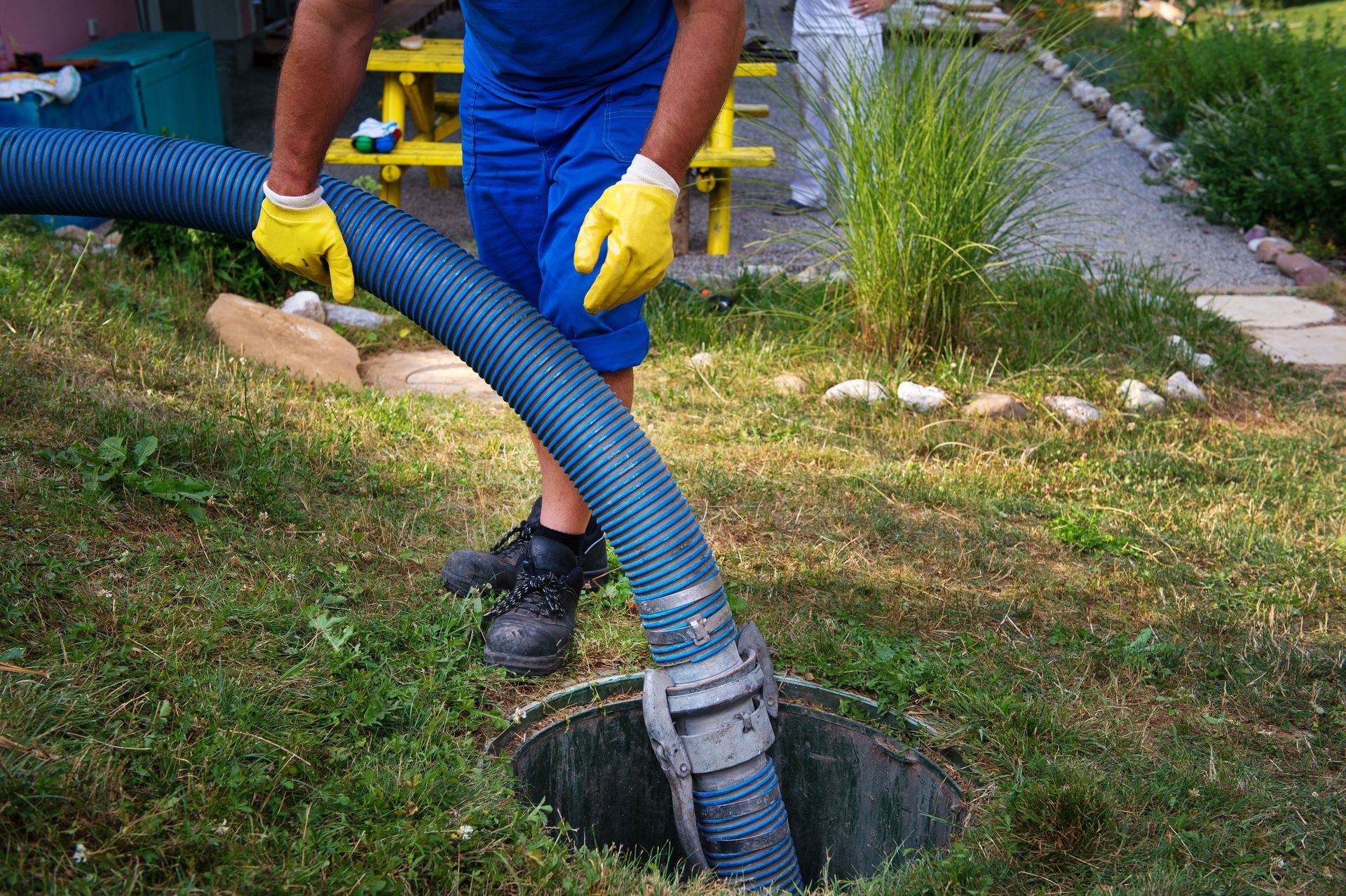
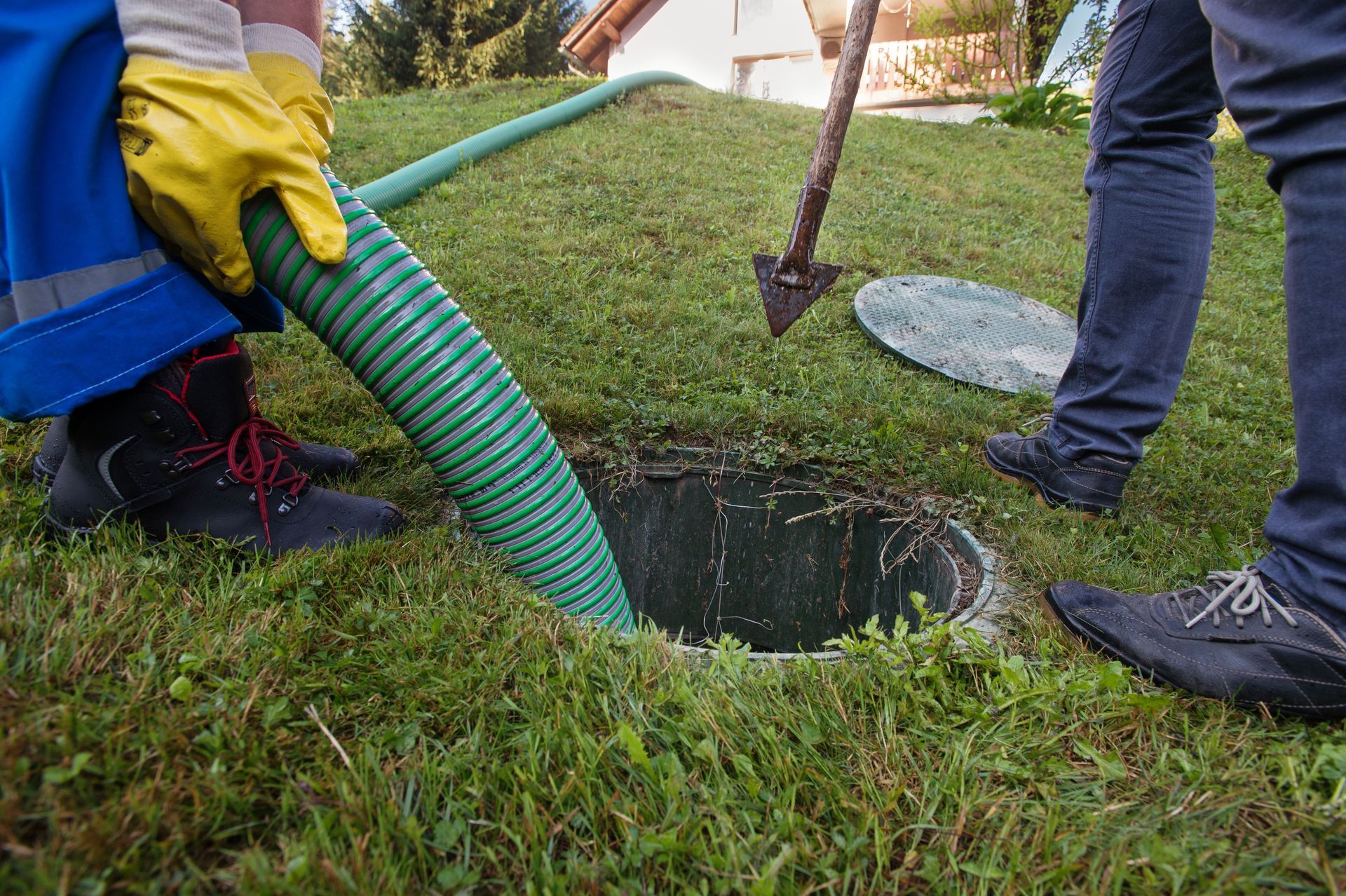
A septic system is not a one-time project; it requires consistent maintenance to operate correctly. Homeowners must factor future upkeep into the installation process to ensure system durability. Regular pumping, routine inspections, proper water usage habits, and avoiding harmful chemicals are all essential practices. When planning a septic system installation, property owners should choose a system type that matches the level of maintenance they are willing to commit to.
Installers often provide guidance on how to care for the system, offering recommendations on pump-out frequency based on household size and tank capacity. Understanding how landscaping affects the drainfield, such as the risk of root intrusion or soil compaction, is also essential. When homeowners are aware of maintenance needs from the beginning, they are better equipped to protect their investment and extend the lifespan of the system.
Preparing the Site Properly to Support Efficient Installation
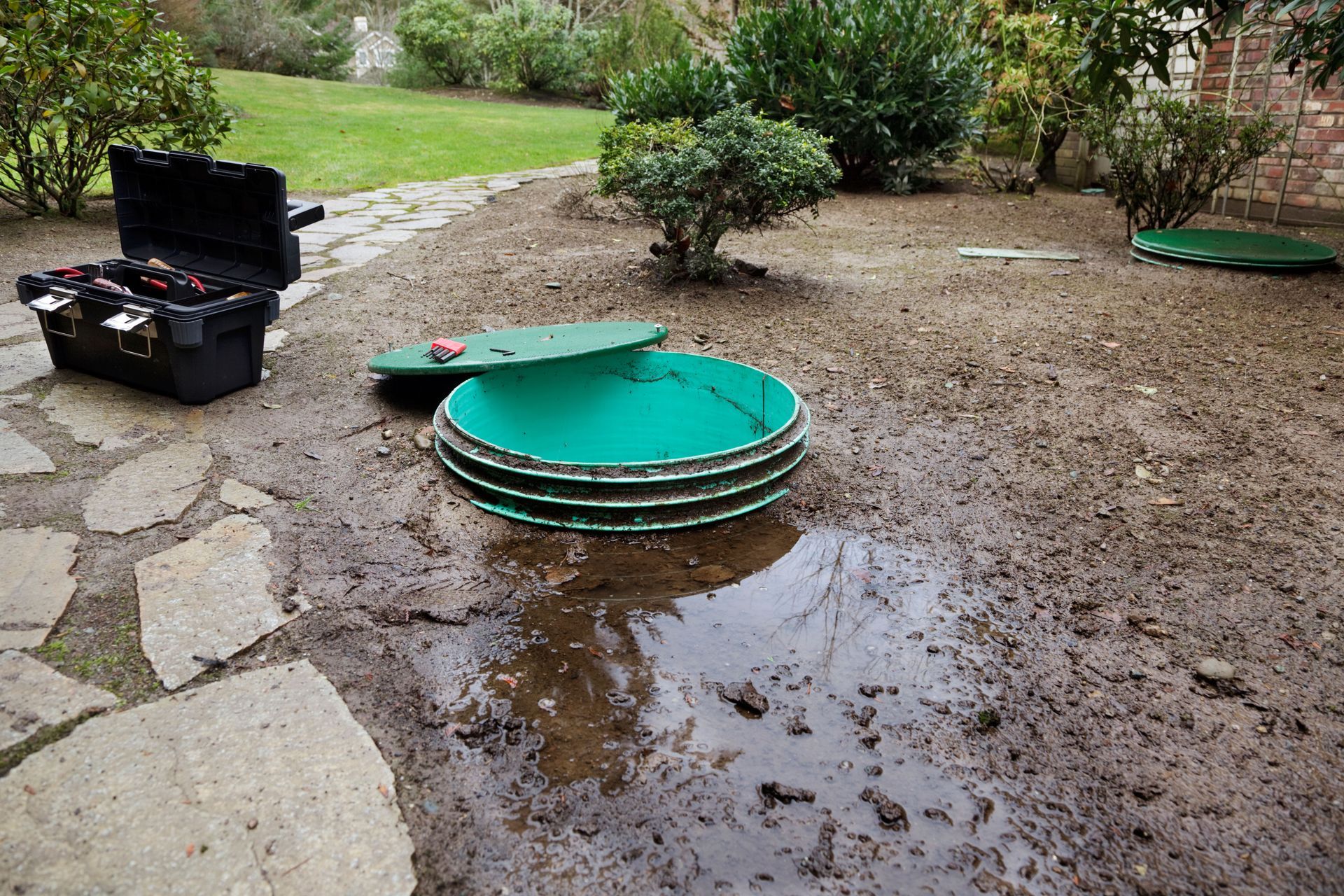
Before physical installation begins, the site must be prepared carefully. Excavation is a major component of septic system installation, requiring heavy equipment and skilled operators. The area must be cleared of debris, vegetation, and obstacles. The soil is leveled or graded as needed to support the tank and ensure proper drainage. If the property has rocky terrain, additional excavation work may be required to create adequate space.
Proper preparation also includes marking utility lines, planning access routes for construction equipment, and ensuring the installation will not disrupt other parts of the property. Homeowners may need to relocate gardens, remove old structures, or adjust landscaping to accommodate the new system. When the groundwork is done correctly, the installation proceeds smoothly, reducing delays and avoiding structural issues.
A septic system is one of the most important components of any property that is not connected to a municipal sewer line. Successful septic system installation requires thoughtful consideration of soil conditions, system type, property layout, environmental impact, and long-term maintenance. By approaching the process with careful planning and professional guidance, homeowners can ensure reliable wastewater management for years to come. When you are ready to install a system that supports your home’s needs and protects your property, contact Lloyd's Excavation and Septic Services today.
Share On: