
The Role of Septic Systems in Sustainable Wastewater Solutions
Septic systems have long been an important part of wastewater management, especially in rural and suburban areas where centralized sewer systems are not available. These systems provide a localized method for treating and disposing of household wastewater, reducing reliance on large municipal infrastructure. By using natural processes to separate and filter wastewater, septic systems support effective on-site treatment while limiting environmental impact. This article explores how septic systems function, their environmental considerations, and the practical role they play in residential and land development projects.
Clear Understanding of Septic Systems
Explain History and Evolution
Septic systems were originally developed as simple, decentralized wastewater solutions for properties outside municipal sewer networks. Early designs focused on basic containment and soil-based filtration. Over time, improvements in system design and materials have made septic systems more dependable and adaptable to different land conditions. These systems have remained widely used for properties that require independent wastewater management across rural and suburban areas.
Modern septic systems continue to rely on natural biological processes, but with improved structural design that enhances durability and performance. While the core concept has remained consistent, advancements in excavation methods, system layout, and installation practices have improved overall effectiveness and longevity. These improvements have also supported more consistent performance across a wide range of soil and site conditions.
Describe Components and Functionality
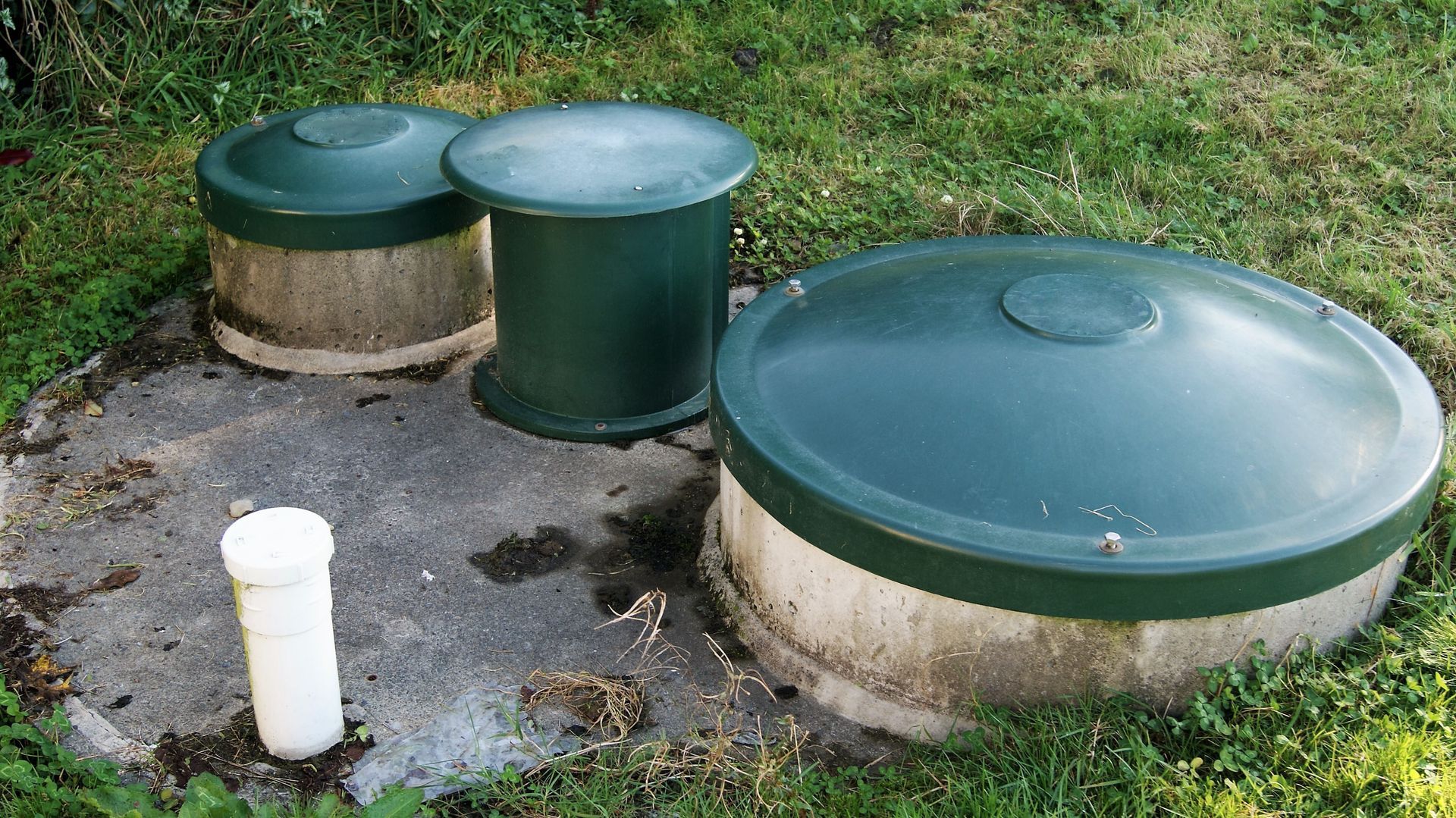
A standard septic system is one of the most common septic systems used in residential wastewater management. It consists of a septic tank and a drain field. Wastewater from a home flows into the septic tank, where solids settle, and lighter materials rise to the top. The partially clarified water then moves into the drain field, where it is distributed into the soil for further natural filtration.
Compare Types of Septic Systems
Different septic systems are used depending on soil conditions, property layout, and available space. Conventional systems are the most common and use a standard tank and drain field configuration. In areas where soil conditions or terrain present challenges, alternative designs such as mound systems may be used to support proper wastewater treatment and drainage. Each system type is selected based on how well it matches the specific characteristics of the land.
Outline Design Principles
Effective septic system design depends on accurate site evaluation and proper system sizing. Soil type, groundwater level, and terrain all influence how and where the system is installed. The septic tank and drain field must be carefully positioned to allow for proper wastewater flow and soil absorption. These factors work together to determine how efficiently the system will operate.
Complete Installation and Maintenance Considerations
These systems require precise installation to function properly. This includes excavation for the tank and preparation of the drain field area to maintain system integrity. Each step must be completed according to site conditions to ensure long-term performance. Poor installation can lead to costly repairs and system inefficiency.
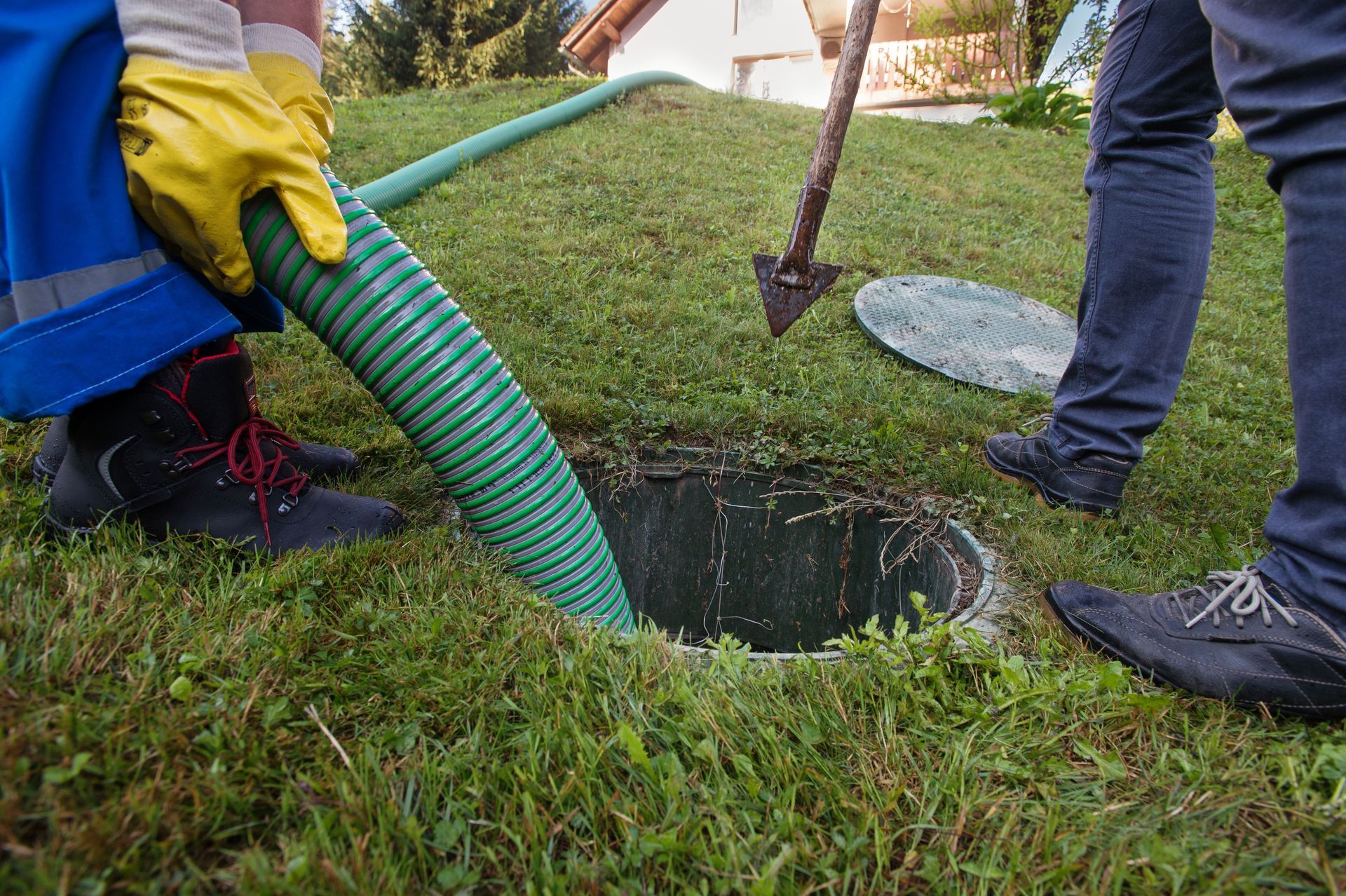
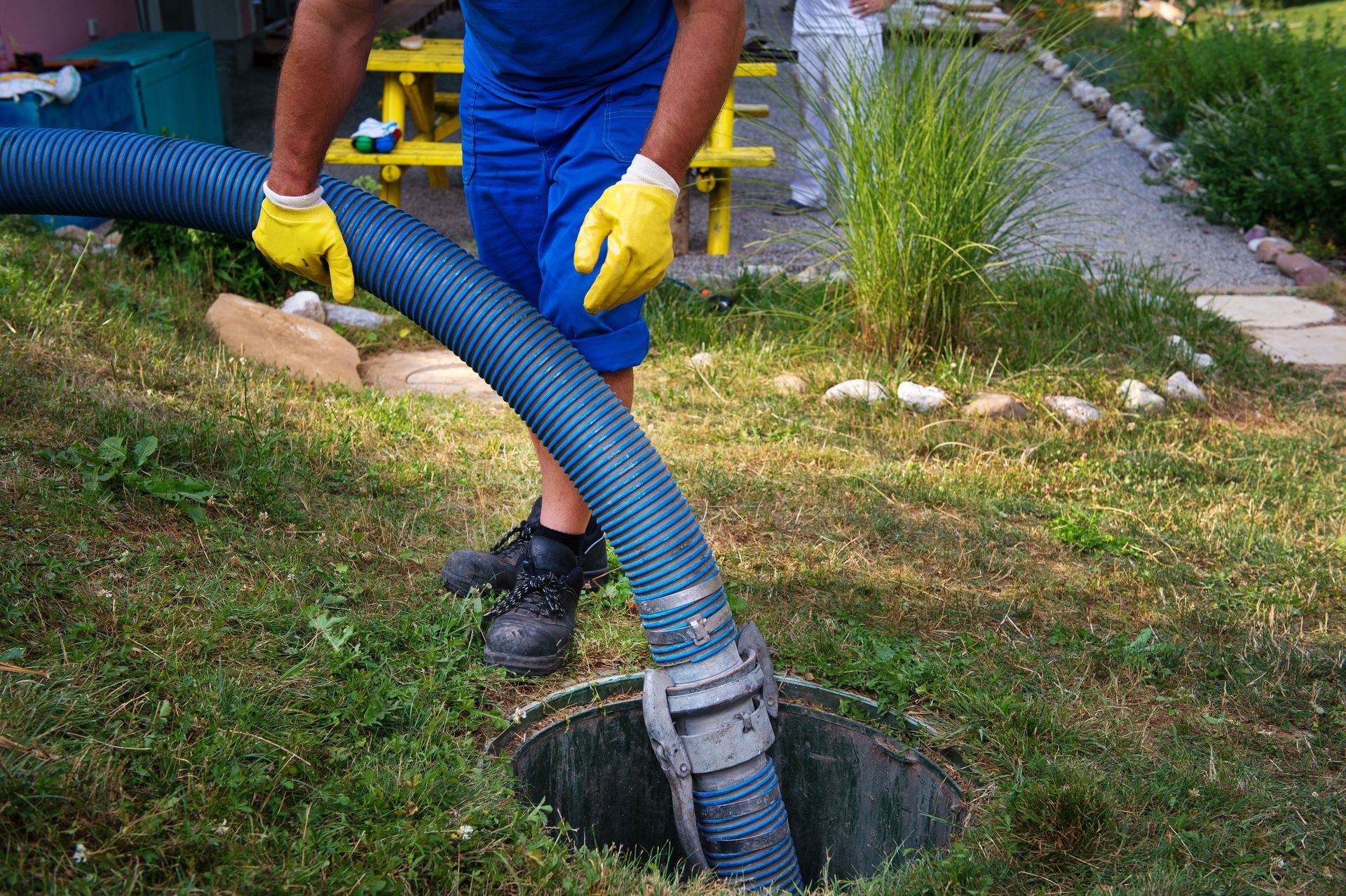
Routine maintenance, including periodic inspection and pumping, helps prevent buildup within the system and supports consistent performance. Proper care extends the lifespan of the system and helps avoid costly repairs or replacements. Regular monitoring also helps identify potential issues before they become serious problems. This proactive approach supports long-term system health.
Significant Environmental Impact of Septic Systems
Examine Soil Interaction
Soil plays a critical role in the final stage of wastewater treatment within a septic system. As wastewater moves through the drain field, the soil filters and naturally treats the effluent by breaking down contaminants. This process helps reduce harmful substances before water reenters the surrounding environment. The effectiveness of this process depends heavily on proper soil conditions.
Address Water Quality Considerations
These systems must be properly designed and maintained to help protect nearby groundwater and surface water. When functioning correctly, they allow wastewater to be naturally filtered through soil layers before reaching water sources. This reduces the risk of harmful contaminants entering the environment.
Review Carbon and Energy Considerations
Because these systems operate independently of large centralized treatment facilities, they generally require less infrastructure and energy use. Their decentralized nature reduces the need for extensive piping networks and large-scale processing facilities. This makes them a practical option for properties outside municipal service areas.
This makes these systems a practical solution for properties in rural or undeveloped areas where extending municipal systems would be impractical or costly. Reduced infrastructure needs also contribute to lower overall environmental impact. These factors make them a widely used option for independent wastewater management.
Reduce Potential Environmental Risks
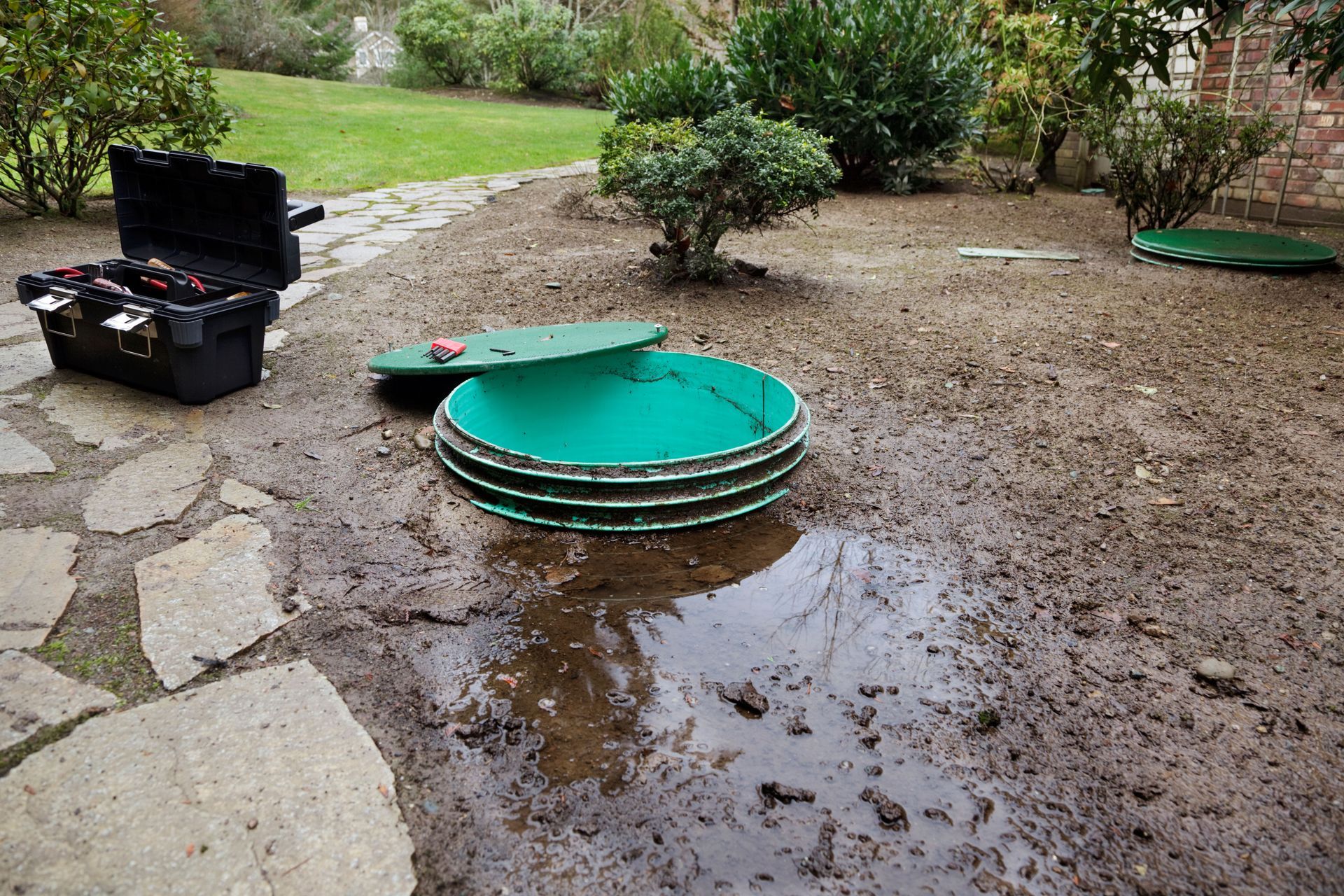
When improperly installed or poorly maintained, these systems can pose environmental risks such as soil or groundwater contamination. These issues are typically associated with system overload, improper placement, or lack of maintenance. Careful planning and installation help reduce these risks significantly.
Important Economic Advantages of Septic Systems
Explain Cost-effectiveness for Property Owners
These systems are often more cost-effective for properties that are not connected to municipal sewer systems. While installation requires an initial investment, ongoing costs are generally limited to routine maintenance and occasional pumping. This makes them a practical long-term option for many property owners.
For many property owners, this creates a self-contained wastewater solution that avoids monthly utility fees associated with centralized sewer services. It also gives property owners greater control over how wastewater is managed on their land. This independence can be especially valuable in areas where long-term infrastructure costs would otherwise continue to rise. It also supports more predictable long-term planning.
Reduce Infrastructure Requirements
One of the major advantages of these systems is that they eliminate the need for extensive municipal sewer infrastructure. This reduces the need for large-scale piping systems and treatment facilities, especially in rural or developing areas. As a result, installation can be more straightforward in suitable locations.
By treating wastewater on-site, these systems provide a practical solution for areas where infrastructure expansion is limited or cost-prohibitive. This makes them especially useful for rural properties and new developments where municipal sewer access is not available. They offer a flexible alternative where traditional systems are not feasible. This flexibility supports a wide range of property types.
Evaluate Impact on Property Use
A properly installed septic system allows properties to function independently of municipal utilities, which can increase usability in rural and undeveloped areas. The system supports residential and commercial land use where sewer access is not available. This independence can expand development opportunities in certain regions.
Proper installation and site preparation help ensure the property remains functional and compliant with local requirements. Careful excavation and grading help create the correct foundation for system components to operate effectively. Proper soil evaluation and system placement also reduce the risk of drainage issues over time. When these steps are handled correctly, the system is more likely to perform well over the long term.
These systems play a vital role in managing wastewater for properties that are not connected to centralized sewer networks. When properly planned and installed, they offer a dependable on-site solution that works in harmony with natural soil processes and careful engineering. Their long-term performance depends on accurate excavation, appropriate system design, and proper placement within the landscape. According to IndustryResearch.biz, about 60 % of rural households worldwide relied on septic systems as their primary wastewater treatment in 2024.
From initial land clearing and grading to septic system installation, repair, and replacement, this work requires a strong understanding of site conditions and construction requirements. Excavation and preparation are key steps that ensure each system is built to function efficiently and remain durable over time. These steps also help ensure long-term structural stability of the system.
Lloyd's Excavation and Septic Services provides excavation, septic system installation, land clearing, grading, and site preparation services that support dependable wastewater solutions and build-ready properties. To learn more, connect with our team for additional information on available services and site-specific solutions.
Share On: