
The Role of Trained Crews in Safe Septic System Services
The importance of trained crews in septic system services cannot be overstated. These professionals ensure that septic systems are installed, maintained, and repaired efficiently and safely. With the increasing complexity and environmental sensitivities associated with septic systems, the specialized knowledge and skills provided by trained crews are crucial. As we delve into the intricacies of septic system services, this article highlights how these crews contribute significantly to the overall effectiveness of septic system management. Through their expertise, they help protect both public health and the environment, emphasizing the need for continual training and adaptation.
Common Septic System Problems
Septic systems are prone to various issues, many of which can be alleviated with regular maintenance. Common problems include clogged pipes, leaks, and system overloading. These issues often arise due to improper use, such as flushing non-biodegradable items or overuse beyond the system's capacity. When undetected or unresolved, such problems can escalate, leading to failures that are costly and damaging. Regular inspections by professionals offering dedicated septic system services can identify and address these issues before they worsen, saving homeowners time and expense.
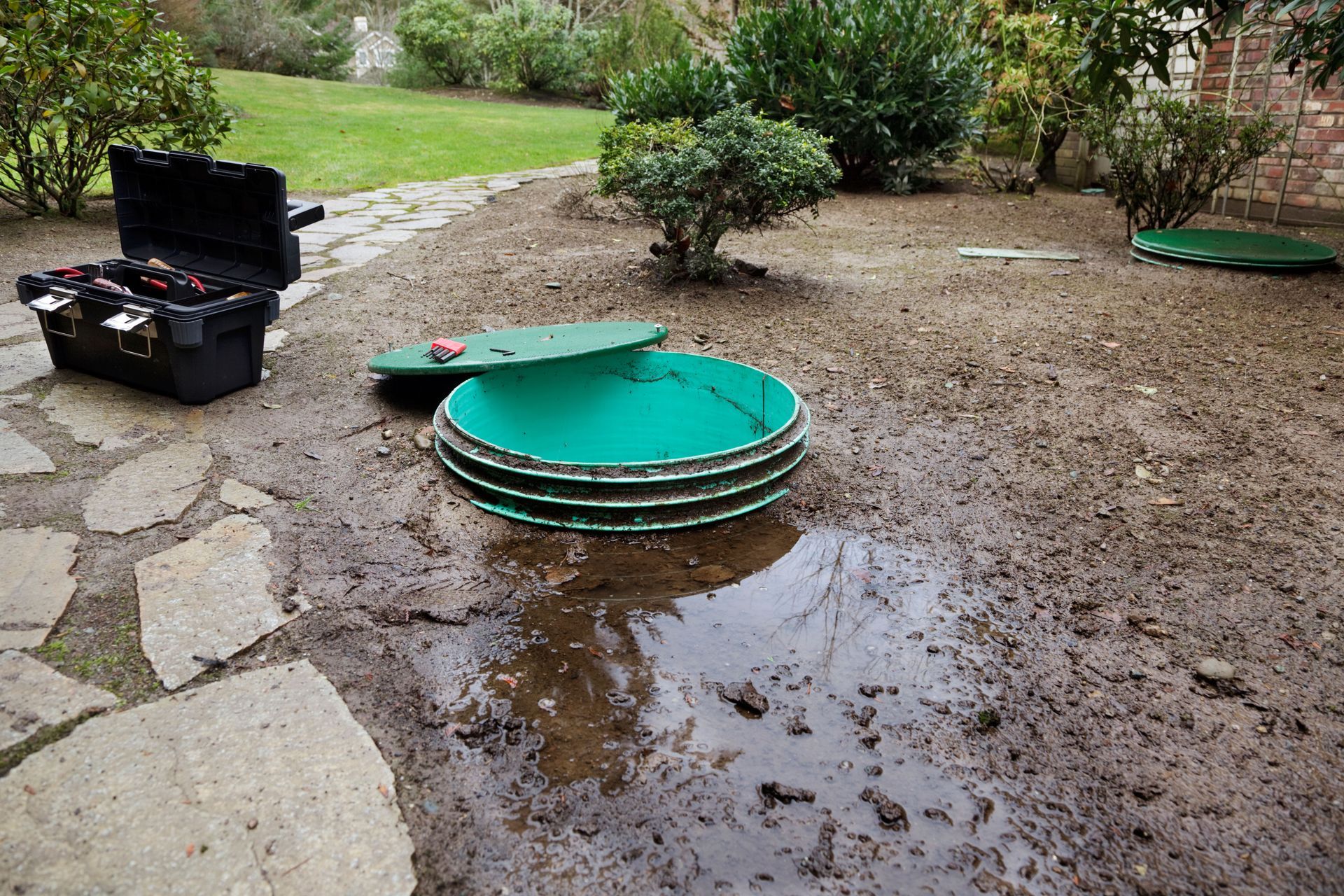
One of the more serious issues is the failure of the drain field, which can become overloaded if the tank is not pumped frequently. This situation is exacerbated by heavy water usage or rain, which saturates the soil and prevents wastewater from being absorbed. Such conditions can lead to untreated sewage surfacing, posing significant health risks. According to the Centers for Disease Control, a single square yard of soil can weigh more than 3,000 pounds, resulting in a significant hazard in excavation work required for repairs. Trained crews are essential in safely managing such complex repair tasks.
Furthermore, tree root intrusion is a common issue that trained crews must address. Roots can invade the piping system, causing blockages or breaking the pipes. Early detection is key, as it prevents costly damage to the infrastructure. A trained crew's expertise is vital in handling these scenarios without causing damage to the ecosystem. Their skills ensure that septic systems remain functional and environmentally safe.
Regulatory Requirements and Compliance
Compliance with environmental regulations is crucial for septic systems. Governmental bodies have established extensive guidelines to minimize environmental impacts and ensure the safety of water resources. Trained crews are familiar with these regulations and ensure that all septic system operations are compliant. This compliance is necessary to avoid legal repercussions and safeguard public health. Knowledge of regulatory requirements is an indispensable part of their training, underscoring their role in maintaining system integrity and safety.
The intricacies of compliance necessitate a comprehensive understanding of both local and federal regulations. Trained crews must stay informed of any changes in these regulations to provide updated and accurate septic system services. Their adherence to compliance standards involves detailed record-keeping and regular reporting, vital components in regulatory collaboration. This ensures systems operate within legal frameworks while minimizing environmental impact. Versed in these standards, trained crews act as both practitioners and advisors to homeowners and organizations.
Specific regulatory requirements can include prescribed setback distances, mandatory maintenance schedules, and approved discharge parameters. Ignorance or neglect of these requirements can result in severe penalties and system shutdowns. Trained crews are equipped to navigate these complexities, ensuring systems function legally and optimally. Moreover, their expertise fosters a positive relationship between system owners and regulatory bodies. This collaborative approach aids in upholding safety and environmental standards across communities.
Inspection and Diagnosis
Inspection is a fundamental responsibility of septic system crews, requiring a keen eye and detailed knowledge of system functions. Crews inspect systems regularly to ensure they operate within safe and efficient parameters. This involves checking for blockages, leaks, and potential wear and tear. Trained crews utilize diagnostic tools and techniques to identify issues that may not be immediately apparent to the untrained eye. By performing detailed inspections, crews can diagnose problems early, preventing significant failures and costly repairs.
Proper diagnosis requires more than just technical know-how; it also relies on interpreting symptoms and understanding their root causes. This is where the expertise of trained crews becomes invaluable. Crews assess every aspect of the system from the septic tank to the drainage pipes, considering various factors such as soil saturation and system load capacity. Their assessments guide the development of appropriate interventions to restore system functionality. In doing so, they play a crucial role in maintaining systems' integrity and extending their service life.
Diagnosis extends beyond mechanical faults to include assessments of factors like water usage patterns and household waste composition. Understanding these elements helps crews make targeted recommendations to homeowners. This preventative approach not only addresses immediate issues but also aims to optimize system performance and efficiency over the long term. Trained crews provide both solutions and strategic advice, empowering homeowners to manage their systems effectively. Thus, their expertise in inspection and diagnosis is integral to reliable septic system services.
Repair and Maintenance
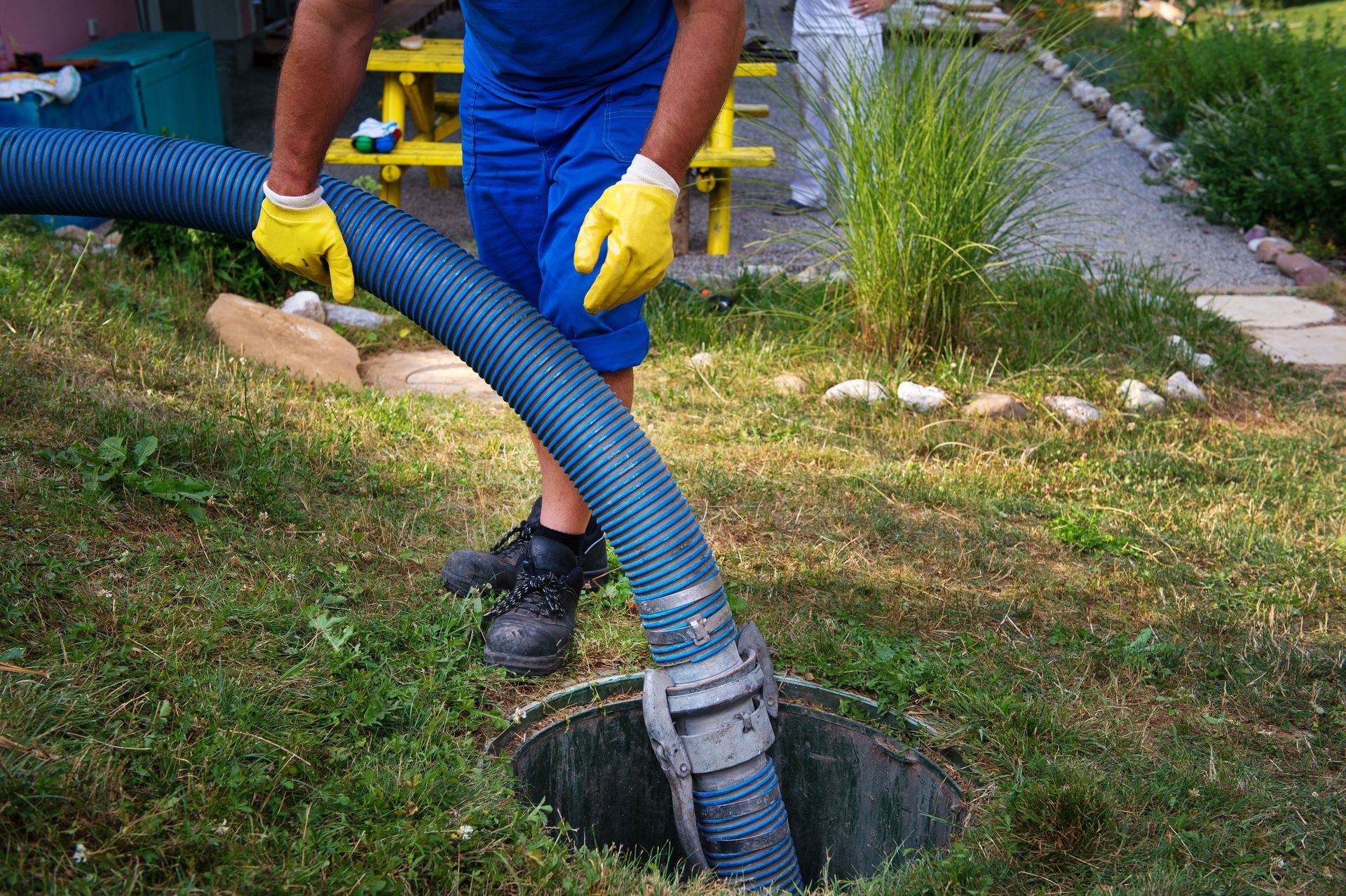
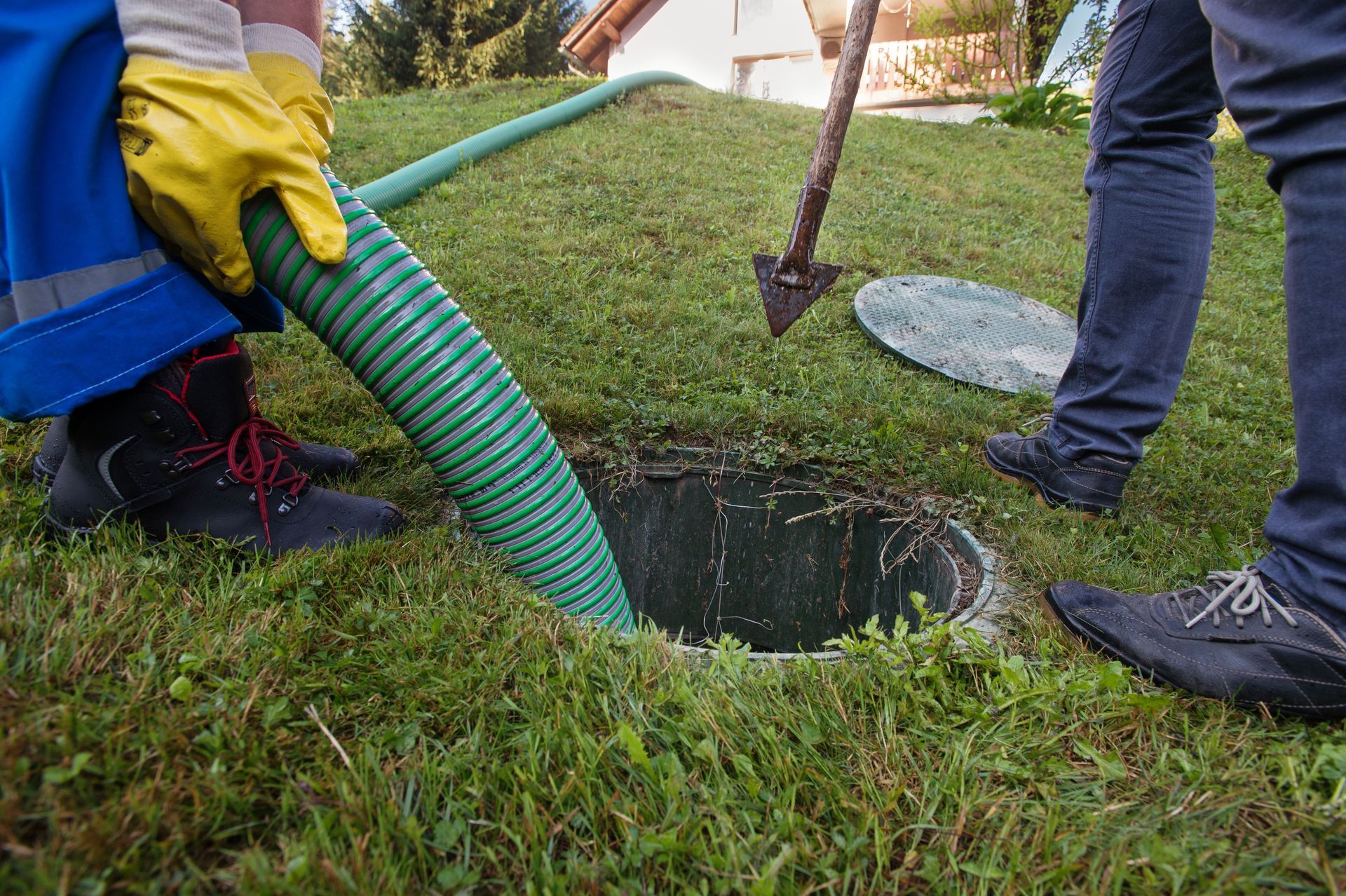
Repair and maintenance duties are core to the responsibilities of crews delivering professional septic system services. These tasks involve resolving identified issues or preventing potential problems through proactive measures. Replacing worn parts, fixing leaks, and unclogging drains are some standard repair tasks crews undertake with precision. Maintenance, on the other hand, involves regular activities such as tank pumping and pipe flushing to ensure optimal system performance. Such proactive maintenance significantly reduces the likelihood of unexpected system failures.
The success of repair tasks is contingent on the crew's ability to utilize the right tools and techniques. Advanced diagnostic equipment and specialty repair tools are often required to tackle complex issues. For instance, tree root intrusion might necessitate the use of special cutters or chemical treatment to preserve pipes. Trained crews are equipped to handle these specific challenges safely and efficiently. Through their training, crews can minimize disruption during repairs, enabling systems to be restored with minimal inconvenience to users.
Regular maintenance tasks also serve as opportunities for educational engagement with users. While executing these duties, crews can offer valuable insights into daily maintenance practices that prevent system overloading or damage. Educating users fosters better system stewardship and shared responsibility towards prolonging the lifespan of septic systems. Maintenance is thus not solely a technical task but also a means of cultivating informed user habits, contributing to the longer-term sustainability of the systems. Such holistic approaches define the professionalism of trained septic system crews.
Emergency Response and Problem Solving
Emergencies such as septic system overflows or complete mechanical failures require prompt and expert responses. Trained crews are on the frontline in crises, using their emergency response skills to mitigate damage and restore functionality. Their ability to mobilize quickly and provide immediate interventions is a crucial component of emergency septic system services, greatly reducing the impacts of these distressing situations on users and the environment. In emergencies, precise diagnosis and effective problem-solving are paramount. The skills and experience gained through training prepare crews to face such challenges decisively and safely.
Emergency responses demand a methodical approach to effectively assess, contain, and resolve issues. Preparedness involves equipping crews with emergency kits and knowledge of emergency shutdowns. This includes understanding system components deeply, knowing where and how to intervene safely, and being prepared with contingency plans for various scenarios. Crews are trained to consider both the immediate needs of the system and the broader implications for the surrounding environment. Their effective management of emergency scenarios is crucial to mitigating adverse outcomes.
The long-term reliability and safety of a septic system depend directly on the expertise of the professionals managing it. From identifying subtle early warning signs during routine inspections to executing complex repairs, adhering to stringent environmental regulations, and providing rapid emergency intervention, trained crews serve as the essential backbone of proper septic infrastructure management. Their specialized skill set not only shields homeowners from severe financial burdens and premature system failure, but also safeguards vital groundwater resources and public health. Investing in professionally trained crews for comprehensive
septic system services is ultimately an investment in environmental stewardship, regulatory compliance, and enduring peace of mind—contact the experts at Lloyd's Excavation and Septic Services today to schedule your service.

Share On: