
Top Reasons Septic System Problems Often Go Undetected
Homeowners prioritize visible household maintenance tasks while forgetting about the complex waste management infrastructure buried beneath their manicured lawns. Because these crucial components remain out of sight, underlying complications develop over long periods without drawing any immediate attention from the busy residents living above. When property owners fail to secure comprehensive septic system service, minor underlying defects evolve into catastrophic property damage that disrupts daily life. Routine professional inspections remain the absolute best defense against the sudden and messy failure of your residential waste processing infrastructure.
Understanding the hidden nature of these waste processing mechanisms helps responsible property owners appreciate the sheer value of proactive property care. According to HomeGuide, a well-maintained septic system lasts 20 to 40 years. Achieving this impressive standard of longevity requires homeowners to understand exactly why early warning signs escape their casual daily observation. Partnering with a professional excavation and maintenance team ensures these concealed hazards never catch you off guard during a busy week.
The Challenge of Buried Components
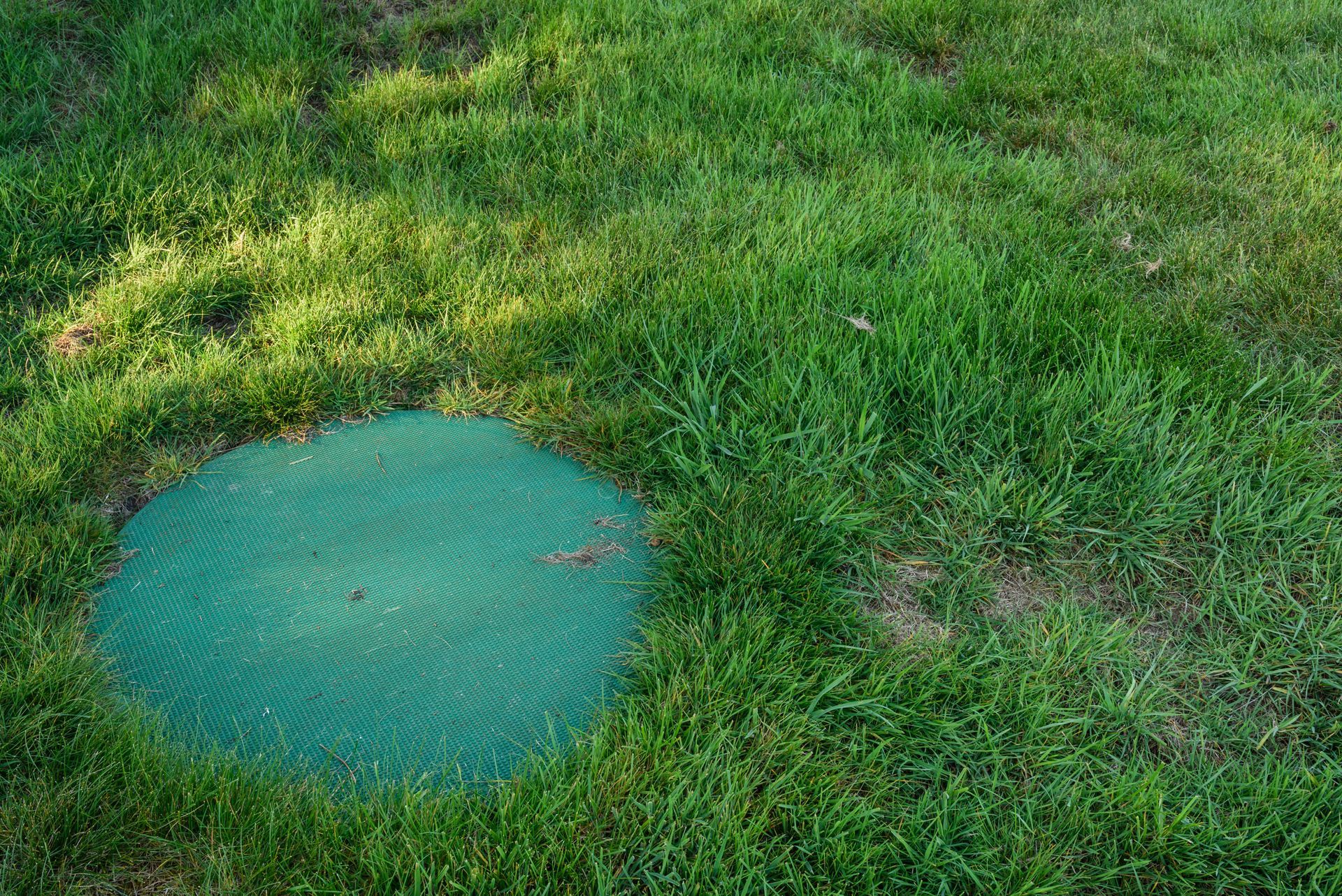
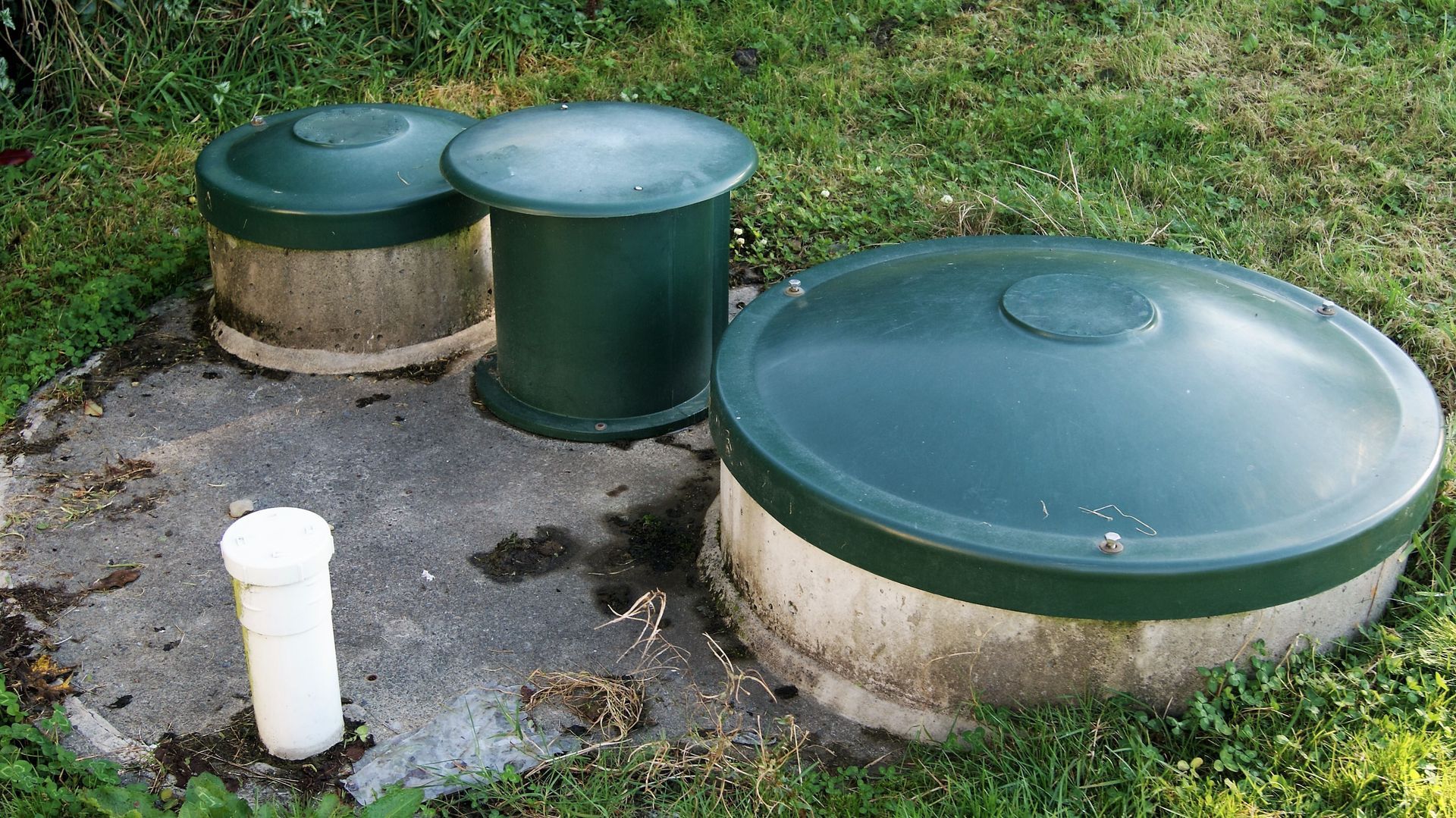
The primary reason property owners miss early warning signs involves the physical location of the waste processing tanks and distribution pipes. Every critical component operates deep underground, effectively shielding the entire process from the daily view of the people relying on it. Without securing professional septic system service to physically inspect the tanks, homeowners have no way to gauge the structural integrity of their equipment. This invisibility creates a dangerous false sense of security for families who assume everything functions perfectly just because the toilets continue flushing.
Visual inspections require removing heavy concrete lids and navigating layers of topsoil that protect the delicate internal mechanisms from surface disruptions. Most homeowners lack the specialized tools and technical knowledge required to safely expose and evaluate these subterranean concrete or fiberglass chambers. Consequently, minor leaks or subtle cracks in the tank walls persist unnoticed until raw sewage begins surfacing in the backyard. Relying exclusively on surface-level observations guarantees that severe structural degradation will remain unaddressed until a massive failure occurs.
The Misinterpretation of Warning Signs
Even when minor symptoms of distress emerge, residents frequently misinterpret these crucial clues as temporary plumbing anomalies rather than systemic failures. A toilet that flushes slowly might seem like a localized clog instead of a glaring indicator of a full primary holding tank. Delaying routine septic system service because of these innocent misunderstandings allows the underlying pressure to build up throughout the entire household drainage network. Homeowners waste money on chemical drain cleaners when the actual solution requires professional pumping and comprehensive waste management intervention.
Unusual gurgling sounds emanating from the bathtub drains provide another clear example of a vital warning sign that families ignore. People attribute these strange pipe noises to normal water pressure fluctuations rather than recognizing them as desperate cries for immediate system ventilation. When air struggles to escape the underground chambers, the resulting pressure imbalances send unmistakable acoustic signals directly into the residential bathrooms. Ignoring these persistent gurgling echoes directly contributes to the eventual backup of hazardous wastewater into your pristine living spaces.
The Absence of Immediate Consequences
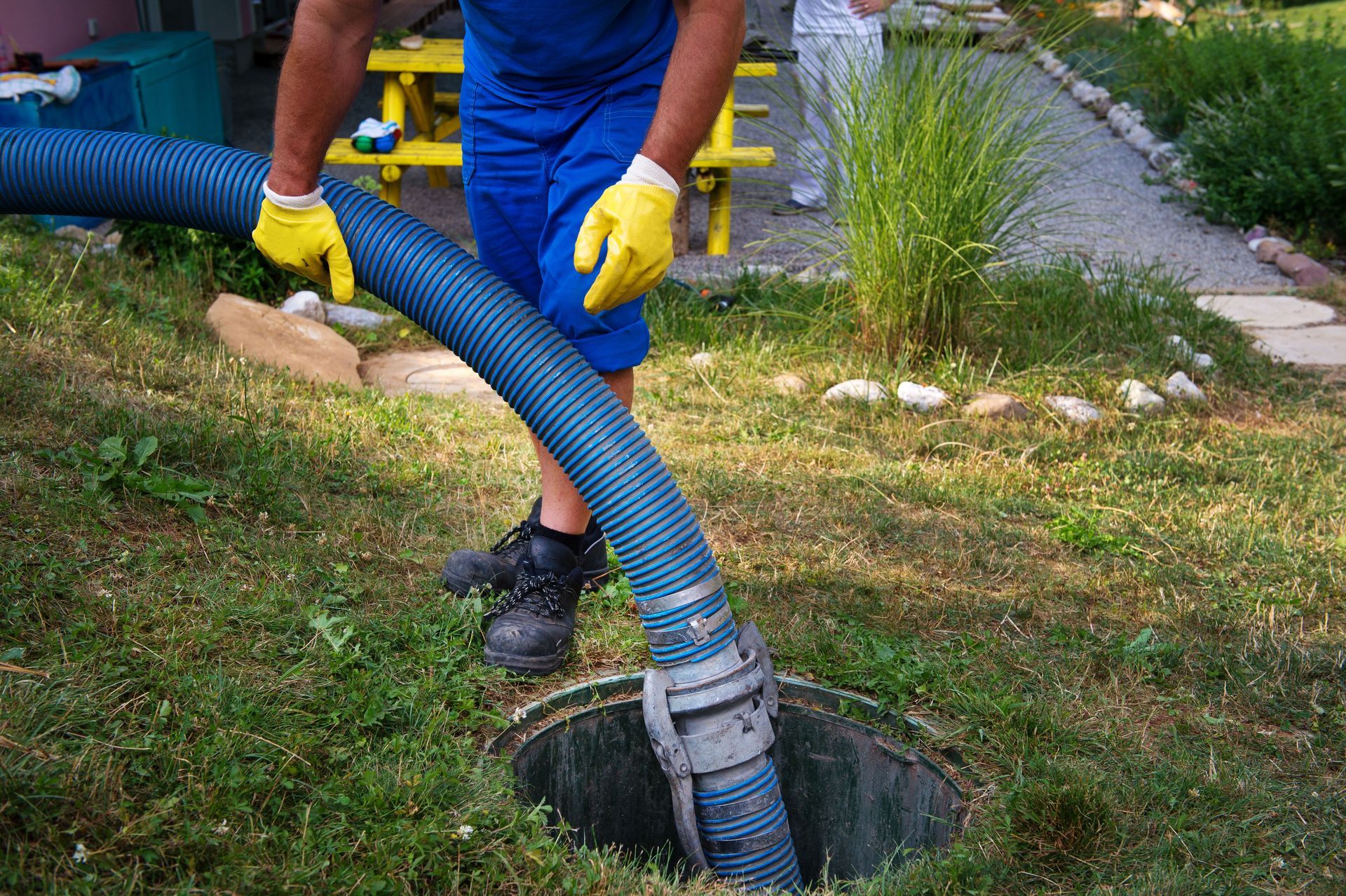
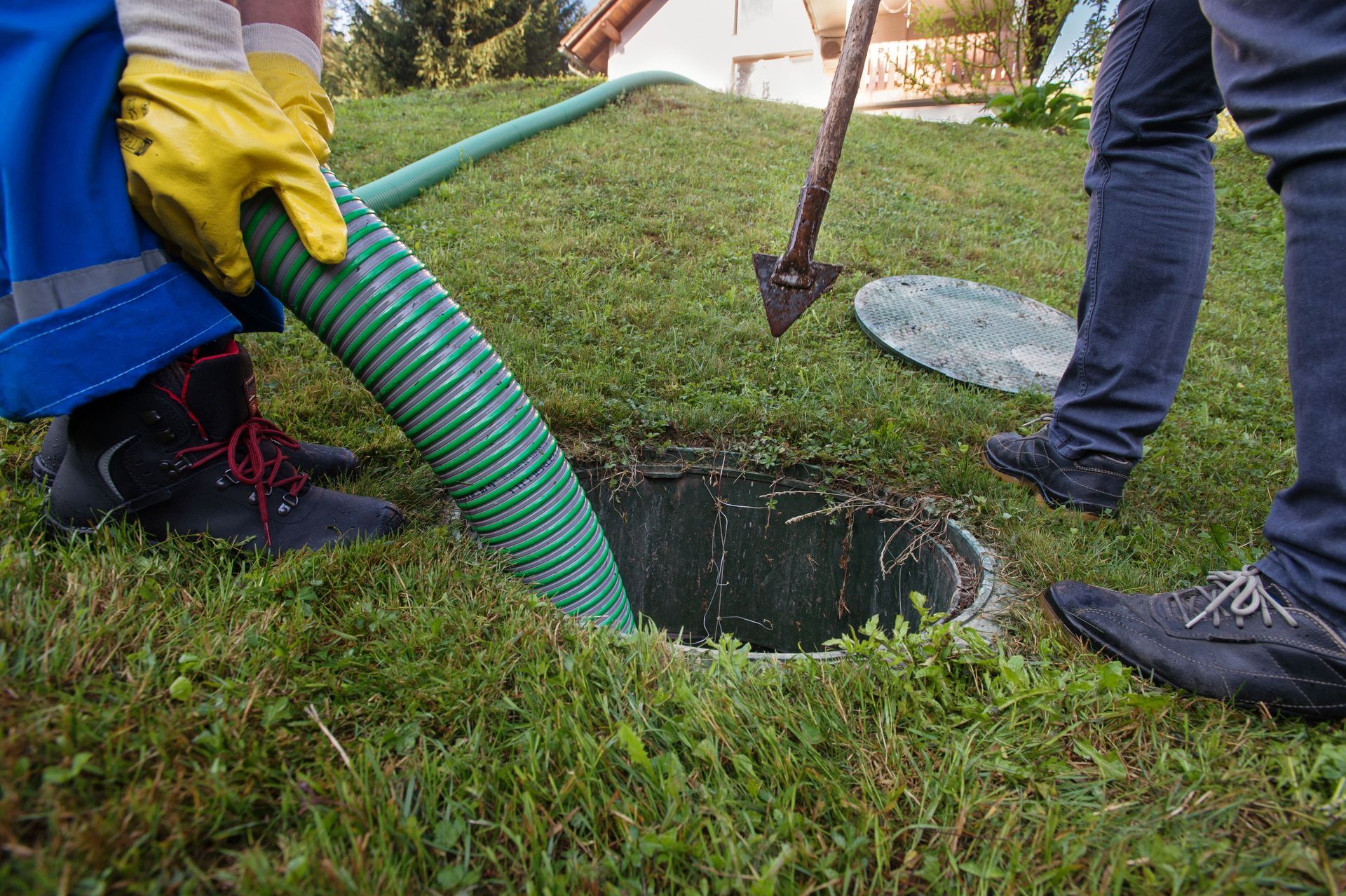
Waste processing infrastructure possesses a remarkable ability to temporarily absorb significant abuse before breaking down and demanding immediate professional attention. A family might flush inappropriate paper products or pour heavy grease down the kitchen sink for months without experiencing any sluggish drains. Without scheduling regular septic system service to monitor the sludge levels, residents mistakenly believe their harmful disposal habits cause no negative impact. This dangerous grace period tricks homeowners into continuing their destructive behavior right up until the exact moment the drain field suffocates.
The gradual accumulation of solid waste inside the primary chamber happens so slowly that daily users never perceive the shrinking capacity. Each time someone uses the shower or runs the washing machine, the system attempts to process the wastewater despite the diminishing internal volume. The lack of disastrous consequences allows households to establish terrible water consumption patterns that overwhelm the carefully engineered biological processing environment. By the time raw sewage backs up into the downstairs shower, the damage to the delicate bacterial ecosystem has already reached a critical threshold.
The Rationalization of Unpleasant Odors
Olfactory warning signs serve as powerful indicators of impending waste management disasters, yet residents invent creative excuses for these foul smells. A faint odor of sulfur drifting across the backyard is dismissed as stagnant swamp water or temporary atmospheric conditions rather than a failing drain field. Property owners who skip their essential septic system service appointments tend to convince themselves that occasional sewage smells are just a normal part of rural living. This powerful human tendency to rationalize unpleasant environmental changes allows severe underground leaks to continue contaminating the surrounding soil for extended periods.
True waste processing networks operate hermetically, meaning you should never smell raw sewage anywhere near your property boundaries. When pungent gases escape the subterranean chambers and reach the surface, they clearly indicate a compromised seal or a saturated absorption trench. Ignoring these airborne warnings prevents homeowners from addressing minor ventilation blockages before they escalate into major environmental hazards that require extensive excavation work. Paying immediate attention to even the faintest sewage odors can save a property owner from enduring immensely stressful and expensive landscape repairs.
The Overlooking of Drain Field Health
Homeowners focus their maintenance attention on the primary holding tank while ignoring the equally important soil absorption area. The drain field manages the critical final stage of wastewater purification, yet it remains the most misunderstood component of the entire residential waste network. Failing to arrange comprehensive septic system service that includes drain field evaluation leaves the most vulnerable part of the infrastructure unprotected. When heavy vehicles drive over this sensitive area or deep-rooted trees invade the perforated pipes, the ensuing damage remains hidden beneath a deceptively healthy lawn.
Ironically, a failing absorption field creates lush patches of vibrant green grass that homeowners proudly admire instead of investigating. The nitrogen-rich wastewater acts as a powerful fertilizer as it escapes from broken pipes and saturates the shallow layers of topsoil in the yard. Residents delight in their thriving vegetation without realizing that these beautiful patches of turf represent a catastrophic breakdown of their wastewater filtration system. By misunderstanding this vibrant biological response, families inadvertently allow hazardous untreated waste to continuously seep into their local groundwater supply.
The Reliance on Outdated Information
Many property owners base their maintenance schedules on outdated advice passed down from previous generations rather than consulting modern excavation professionals. Generational myths suggesting that throwing raw meat or yeast into the toilet will indefinitely eliminate the need for mechanical pumping remain dangerously pervasive today. Relying on reliable septic system service professionals provides access to scientifically sound maintenance strategies that protect your substantial property investments. Modern households produce significantly more wastewater and utilize harsher cleaning chemicals than previous generations, meaning those old-fashioned passive maintenance strategies simply no longer apply.
Replacing those outdated theories with modern expertise requires establishing a proactive relationship with the experienced technicians at Lloyd's Excavation and Septic Services. We highly recommend scheduling comprehensive evaluations long before mysterious puddles appear in your backyard or your toilets stop functioning entirely. Booking a professional septic system service today guarantees that your vital underground equipment receives the meticulous expert attention it genuinely deserves. Protecting your property requires acknowledging these hidden hazards and taking decisive action to ensure your waste management network remains healthy for decades.
Share On: