
What Causes Septic System Failure? 5 Common Factors
Many property owners take their waste management infrastructure for granted until a major issue arises. Understanding what leads to these catastrophic malfunctions can save property owners a significant amount of money and stress. When waste management networks stop operating correctly, the resulting mess can cause property damage and create severe health hazards for anyone nearby. Often, these disasters do not happen overnight but are the result of ongoing neglect or underlying environmental challenges. By learning about the most frequent culprits behind these breakdowns, individuals can take proactive steps to protect their properties. Seeking professional septic system services before a minor hiccup becomes a full-blown emergency is always the best approach. Addressing the root causes early ensures that the entire infrastructure remains reliable for decades. Exploring the common factors that contribute to these failures sheds light on the importance of vigilant care and strategic planning.
1. Inadequate Installation Procedures
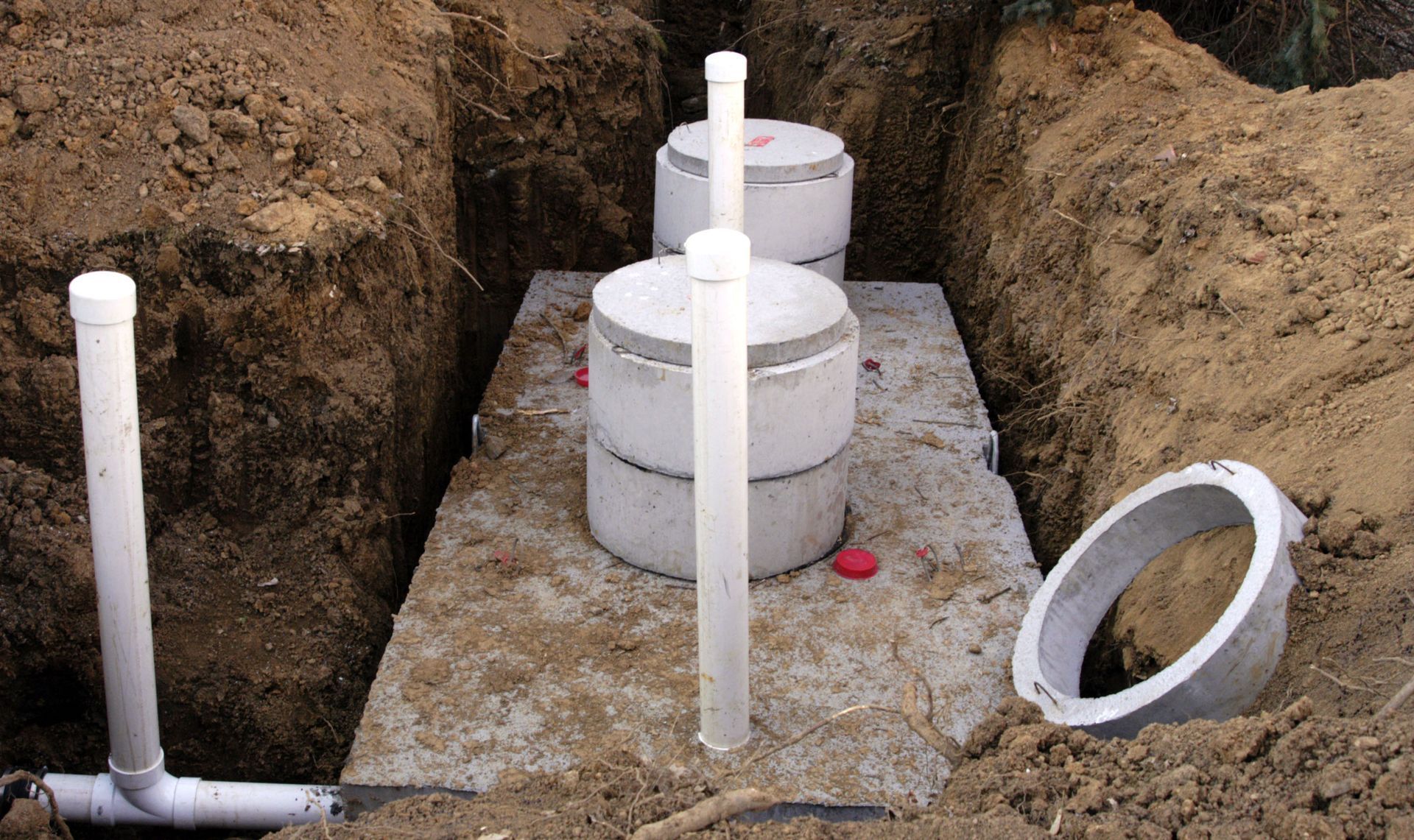
The foundation of a reliable waste management network begins on the very first day it is put into the ground. If the initial setup is flawed, the entire infrastructure is doomed to struggle. Poor excavation, incorrect tank sizing, and improper placement of the drain field are frequent errors made by inexperienced contractors. When the drain field is not leveled correctly, wastewater cannot distribute evenly, leading to localized flooding and rapid breakdown of the soil's absorption capacity. Seeking experienced septic system services during the planning and building phase is non-negotiable for property owners who want to avoid early catastrophes. Additionally, if the tank is placed too close to the water table or in an area prone to heavy surface runoff, the network will constantly battle infiltration. Proper site evaluation ensures that the chosen location can handle the expected daily waste load without becoming overwhelmed. Shortcuts taken during this critical phase often result in crushed pipes, misaligned baffles, and immediate drainage issues. A meticulous approach to the initial earthwork guarantees that all components work in harmony. Ultimately, investing in precision during the setup phase prevents the need for complete replacements shortly after completion.
2. Improper Maintenance Habits
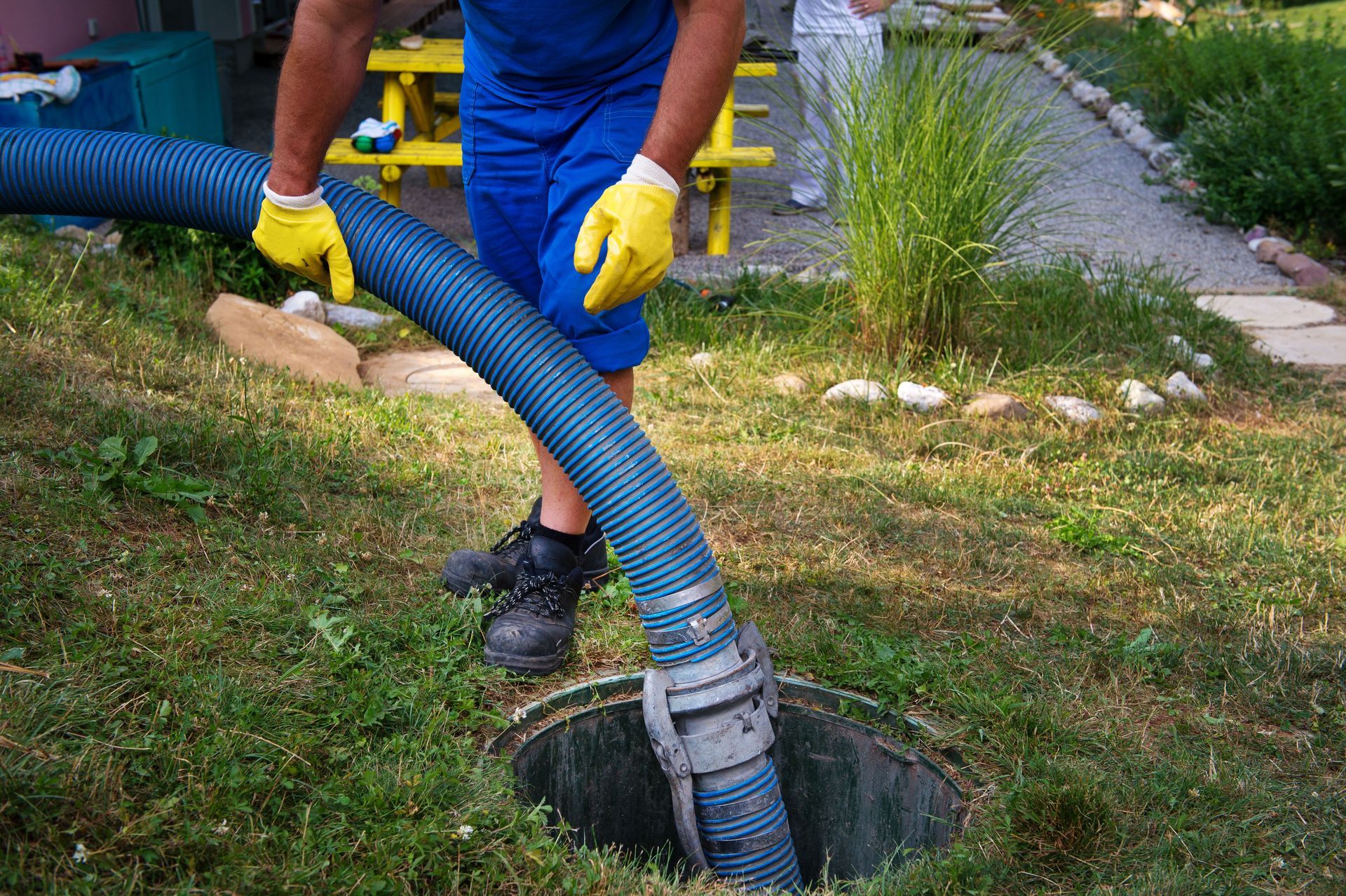
Once a waste management network is operational, it requires consistent attention to function at its peak potential. Many people assume these setups are entirely self-sustaining, leading to severe neglect over time. Solid waste continuously accumulates at the bottom of the tank, and without routine removal, this sludge eventually overflows into the delicate drain field. According to HomeGuide, an average household should have its septic tank pumped every 3 to 5 years. Ignoring this vital routine allows thick solids to clog the porous pipes responsible for releasing treated water back into the earth. When these pipes become obstructed, untreated sewage has nowhere to go but back up into the building or up to the lawn's surface. Scheduling regular septic system services is the only guaranteed way to monitor sludge levels and prevent these irreversible blockages. Flushing items like paper towels, feminine hygiene products, or excessive cooking grease creates solid masses that the natural bacteria cannot digest. Furthermore, introducing harsh chemicals, excessive bleach, or non-biodegradable items into the plumbing destroys the natural bacteria necessary for breaking down waste. When the biological balance inside the tank is disrupted, the decomposition process halts, accelerating the accumulation of solids. Consistent, mindful habits are the ultimate defense against premature malfunction.
3. Unfavorable Soil Conditions
The surrounding earth plays a monumental role in the final stage of wastewater treatment. The drain field relies heavily on the natural permeability of the ground to filter and disperse liquids safely. If the earth is densely packed with clay or rock, it lacks the necessary porousness to absorb the continuous flow of water. This leads to rapid saturation, causing pooling on the surface and preventing the tank from emptying correctly. Even if the initial installation was flawless, shifting environmental factors can alter the ground's absorption capabilities over time. Heavy foot traffic, parking vehicles over the drain field, or constructing heavy patios nearby compacts the earth, instantly reducing its permeability. Property owners dealing with difficult terrain must rely on specialized septic system services to explore alternative drainage solutions. Sometimes, adding artificial filtration layers or re-routing the drain lines can mitigate these geographical challenges. Erecting simple barriers around the delicate absorption zones can permanently prevent vehicles from accidentally crushing the porous ground. It is vital to protect the designated drainage area from any external weight or unnatural compaction. Preserving the integrity of the soil ensures that the liquid waste can percolate naturally, preventing backflows and safeguarding the local groundwater supply.
4. Excessive Water Consumption
Every waste management setup is designed to process a specific volume of liquid over a given period. When a household dramatically increases its daily water usage, the infrastructure struggles to keep pace with the influx. Running multiple heavy appliances simultaneously, such as washing machines and dishwashers, sends sudden surges of water into the holding tank. This rapid influx stirs up the resting sludge at the bottom, pushing solid particles out into the drain field before they have time to separate. Overworking the plumbing in this manner is a guaranteed way to clog the fragile filtration trenches. Conserving water through mindful daily habits is just as important as scheduling routine septic system services for long-term operational success. Fixing leaky faucets and running appliances only when they are completely full can drastically reduce the daily liquid burden. Installing low-flow showerheads and high-efficiency toilets can dramatically decrease the total volume of liquid entering the underground tank every single day. Additionally, spreading out laundry chores throughout the week rather than doing them all in a single afternoon gives the underground environment adequate time to recover and process the liquids. Balancing consumption with the network's processing capacity is an essential strategy for preventing hydraulic overload and subsequent breakdowns.
5. Obstructive Tree Roots
Nature itself often poses a significant threat to underground waste management networks. Trees and large shrubs are naturally drawn to the continuous source of moisture and nutrients found within the drain lines and holding tanks. Even a microscopic crack in a pipe is enough for a tiny root hair to infiltrate the plumbing. Once inside, the roots grow exponentially, feeding on the continuous supply of water and fertilizer. This invasive growth rapidly creates massive blockages that trap solids and halt the flow of wastewater entirely. Furthermore, the sheer force of expanding roots can crush underground pipes and shatter concrete baffles, leading to devastating structural damage. Property owners must be highly strategic about their landscaping choices, ensuring that aggressive flora is kept far away from the designated drainage zones. When aggressive roots begin to encroach on the territory, professional septic system services are necessary to clear the lines and repair any structural breaches. Routine video inspections can identify these botanical intrusions before they completely destroy the pipes. Consulting with landscape architects before planting new trees ensures that only safe, shallow-rooted vegetation is placed anywhere near the plumbing layout. Maintaining a clear perimeter above the underground infrastructure is a crucial defensive measure against this relentless natural threat.
Protecting a property from the disastrous consequences of wastewater malfunctions requires a combination of mindful habits and professional oversight. From ensuring the initial earthwork is flawless to closely monitoring daily water consumption, every small action contributes to the overall health of the infrastructure. Understanding the vulnerability of the underground environment highlights the importance of keeping heavy machinery, aggressive plant roots, and harsh chemicals far away from the sensitive drainage zones. Routine evaluations and timely pumping are the most effective ways to extend the lifespan of these essential utilities. Homeowners who commit to these best practices rarely encounter the stressful, catastrophic breakdowns that lead to massive excavation projects. Never wait for an unpleasant odor or a flooded lawn to prioritize the health of your plumbing network. Staying proactive guarantees a safe, sanitary, and functional property for years to come. For dependable septic system services, reach out to the professionals who understand exactly what your property needs. Call Lloyd's Excavation and Septic Services today to learn more about protecting your home and scheduling your next inspection.
Share On: